
Makeup separating around the mouth is a common makeup problem. It happens when foundation or concealer breaks apart, looks patchy, or fades around the lips and chin. This can make your base look uneven.
Have you ever applied a smooth base, only to see it separate around your mouth later? You are not alone. Dry skin, excess oil, skincare products, and too much makeup can all play a role. The good news is that simple changes can help.
In this guide, you will learn why makeup separating around the mouth happens and how to prevent it. We will cover skin preparation, product application, blending, and setting tips. These easy steps can help you create a smoother and longer-lasting makeup look.
Why Makeup Separates
Makeup can separate around the mouth for several reasons. Dry skin can make the foundation cling to flaky areas. Extra oil can also break down makeup and make it look patchy. Sometimes, the products used underneath the makeup do not work well together.
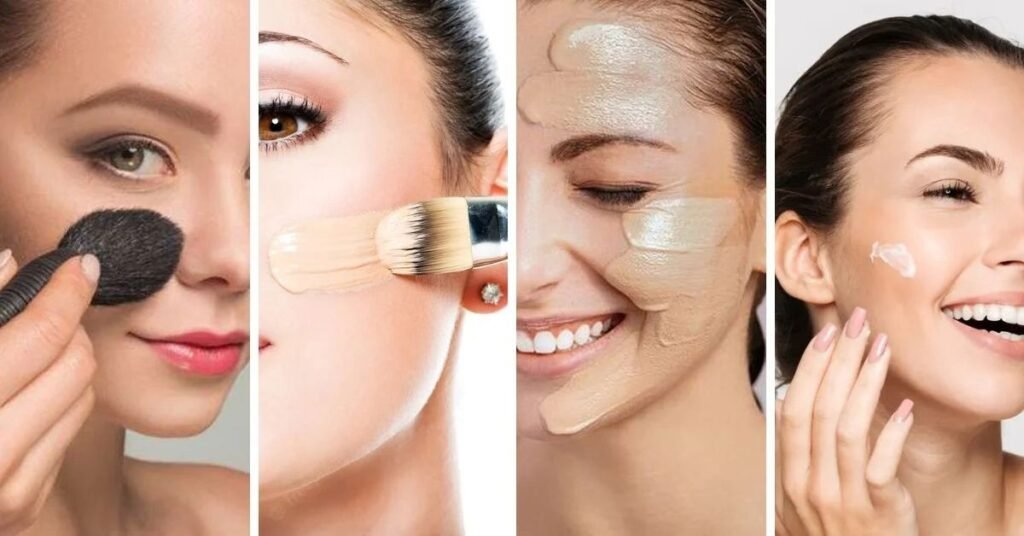
Using too many skincare products before makeup can cause problems too. Heavy creams or oily products may stop the foundation from sitting properly. Applying a thick layer of foundation can also make separation more noticeable. The skin around the mouth moves often, which can make makeup fade faster.
Your application method matters as well. Rubbing foundation too much can disturb the products underneath. Not blending around the nose, lips, and chin can leave an uneven finish. Using thin layers and giving each product time to settle can help create a smoother base.
Know Your Skin Type
Knowing your skin type can help you understand why makeup separates around the mouth. Dry skin may make the foundation look flaky or uneven. Oily skin can cause makeup to break down faster. Combination skin may have both dry and oily areas.
If your skin feels tight after washing, it may be dry. If your face becomes shiny quickly, you may have oily skin. Combination skin often has more oil around the nose and forehead, while other areas feel normal or dry. Normal skin usually has a balanced feel.
Choose your makeup products based on your skin needs. Dry skin may benefit from lightweight, hydrating products. Oily skin often works better with oil-control formulas. The right products can help your foundation sit smoothly and reduce makeup separating around the mouth.
Prep Your Skin
Good skin preparation can make a big difference in your makeup. Start with a gentle cleanser to remove dirt, oil, and leftover products. Clean skin gives your makeup a better surface to sit on. Avoid harsh scrubbing, especially around the mouth.
Apply a light moisturizer after cleansing. Focus on areas that feel dry or tight. Let the moisturizer absorb before applying makeup. This helps prevent foundation from catching on dry patches and looking uneven.
You can also use a suitable primer before foundation. Choose one that matches your skin needs and makeup routine. Apply a thin layer around the mouth and blend it gently. Proper skin prep can help reduce makeup separating around the mouth and keep your base looking smoother.
Use the Right Moisturizer
The right moisturizer can help your makeup sit smoothly around the mouth. Choose a lightweight formula that suits your skin type. Dry skin may need a richer moisturizer, while oily skin often feels better with a light, non-greasy formula. Give the moisturizer a few minutes to absorb before applying makeup.
Keep these simple tips in mind:
- Choose a moisturizer for your skin type.
- Avoid using too much product.
- Pay extra attention to dry areas around the mouth.
- Let the moisturizer absorb before foundation.
- Avoid very heavy creams under makeup.
A well-moisturized base can help reduce dry patches and prevent makeup separating around the mouth.
Apply Thin Makeup Layers
Applying thin layers can help your foundation look smooth around the mouth. Start with a small amount of foundation. Spread it evenly over your face. Avoid putting a thick layer around the lips and chin. These areas move often, so heavy makeup can crease or separate more easily.
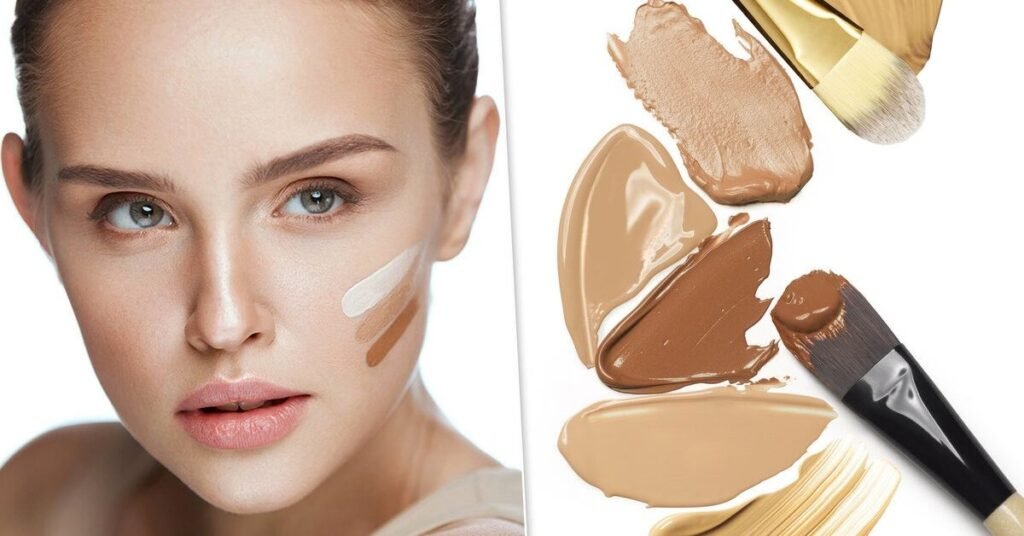
Let each layer settle before adding more product. If you need extra coverage, build it slowly. Use a damp sponge or soft brush to blend the foundation. Do not rub the skin too much. Gentle application helps keep the base in place.
| Makeup Step | What to Do | Why It Helps |
| Foundation | Apply a thin layer | Creates a lighter base |
| Concealer | Use only where needed | Prevents heavy buildup |
| Blending | Use gentle tapping motions | Keeps makeup even |
| Extra Coverage | Add small amounts | Avoids a thick finish |
| Setting Powder | Apply lightly | Helps reduce excess oil |
| Around the Mouth | Use minimal product | Reduces creasing and separation |
Using less product does not mean you have to sacrifice coverage. Build your makeup slowly and focus extra product only on areas that need it. This simple habit can help reduce makeup separating around the mouth and create a more natural finish.
Choose a Suitable Primer
A good primer can help create a smoother surface for your foundation. Choose a primer based on your skin type and makeup needs. If your skin is dry, a hydrating primer may help the base feel more comfortable. For oily skin, a lightweight primer can help manage excess shine.
Use only a small amount around the mouth. Too much primer can make the foundation move or separate. Apply it gently with clean fingers or a makeup sponge. Give it a short time to settle before applying foundation.
It is also helpful to check how your primer works with your foundation. Some formulas may not layer well together. Try a small amount first if you are using new products. The right primer can help reduce makeup separating around the mouth and give your base a more even finish.
Blend Around the Mouth
The area around the mouth needs gentle blending. Apply a small amount of foundation and spread it evenly. Use a damp makeup sponge or soft brush for a smooth finish. Avoid rubbing the skin too much.
Pay attention to the corners of your mouth and the area around your lips. These spots can collect extra products. Use light tapping motions to blend the foundation. This helps prevent thick patches and keeps the makeup looking natural.
Check your makeup in good lighting before adding more products. If you notice buildup, gently blend the area again. A light and even application can help reduce makeup separating around the mouth and keep your base looking fresh.
Avoid Too Much Concealer
Using too much concealer around the mouth can make your makeup look heavy. Extra products may settle into fine lines and dry areas. It can also make the foundation underneath look uneven. Use a small amount and apply it only where you need extra coverage.
Apply concealer with light tapping motions. A damp sponge can help blend the product without moving the foundation. Start with a little product and add more only if needed. This keeps the makeup layer thin and natural.
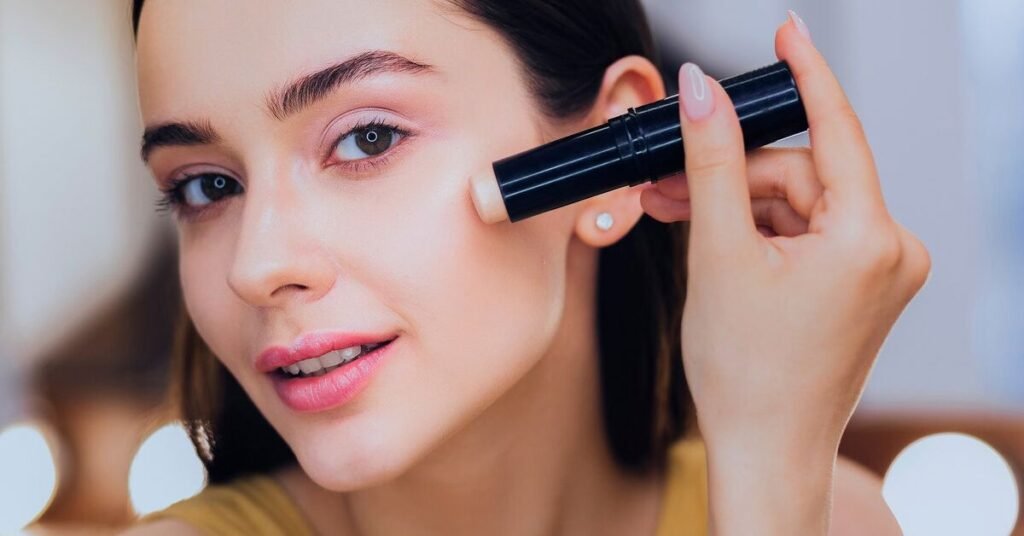
The area around the mouth moves throughout the day when you talk, eat, and smile. Heavy concealers can break apart more easily in this area. Keeping the coverage light can help prevent makeup separating around the mouth and give your base a smoother finish.
Set Your Makeup Properly
Setting your makeup can help keep your foundation in place. Use a small amount of setting powder around the mouth. Apply it with a soft brush or sponge. Press the powder gently instead of rubbing it over the skin.
Do not use too much powder in one area. A thick layer can make dry skin look cakey. If your skin is oily, focus on areas where shine appears quickly. For dry skin, use less powder and keep the finish light.
You can also use a setting spray after finishing your makeup. Hold it at a comfortable distance and mist lightly over your face. Let it dry naturally without touching your skin. Proper setting can help reduce makeup separating around the mouth and keep your base looking fresh for longer.
Control Oil and Dryness
Too much oil or dryness can affect how your makeup looks around the mouth. Excess oil may break down the foundation and make it look patchy. Dry skin can make makeup cling to rough areas. Finding the right balance can help your base look smoother.
If your skin is oily, use lightweight skincare before makeup. You can also gently blot excess oil during the day. For dry skin, use a suitable moisturizer before applying foundation. Avoid skipping moisturizer just because you have oily skin.
Pay attention to how your skin feels throughout the day. Make small changes to your skincare and makeup routine when needed. Keeping oil and dryness under control can help reduce makeup separating around the mouth and support a more even finish.
Fix Makeup During the Day
Makeup can separate around the mouth as the day goes on. Eating, drinking, talking, and natural skin oils can affect your base. Instead of adding more foundation, gently remove any excess oil first. Use a clean tissue or blotting paper and press it lightly on the area.
If the makeup looks patchy, use a small amount of concealer or foundation to touch it up. Blend it gently with a clean sponge or fingertip. Avoid adding several layers, as too much product can make the area look heavy.
Keep a few simple items with you for quick touch-ups:
- Clean tissue or blotting paper
- Small makeup sponge
- A little concealer
- Light setting powder
- Small mirror
A gentle touch-up can refresh your base without starting your makeup again. It can also help manage makeup separating around the mouth while keeping your overall look natural.
Keep Your Base Smooth
A smooth makeup base starts with clean and well-prepared skin. Use a moisturizer that suits your skin type before applying makeup. Let your skincare absorb fully. This helps the foundation sit better and reduces the chance of patchy areas around the mouth.
Use thin layers of foundation and blend them gently. Avoid putting too much product around the lips and chin. Set the makeup lightly with powder where needed. A setting spray can also help your finished look stay in place.

Pay attention to your makeup throughout the day. If the area becomes oily or patchy, blot it gently before touching up. These simple habits can help prevent makeup separating around the mouth and keep your base looking fresh and even.
Conclusion
Makeup separating around the mouth can be frustrating, but it is often easy to manage. Start with clean, moisturized skin. Use a suitable primer and apply thin makeup layers. Blend the area gently and avoid using too much concealer or powder.
Your skin type and daily routine also matter. Control excess oil and dryness when needed. If your makeup becomes patchy during the day, use gentle touch-ups instead of adding heavy layers. With these simple steps, you can keep your base smooth and fresh for longer.
FAQs
1. Why is my makeup separating around my mouth?
Dryness, excess oil, heavy products, and poor blending can cause makeup to separate around the mouth.
2. How can I stop makeup from separating around my mouth?
Prep your skin well, use thin layers, and blend the products gently around the mouth.
3. Should I use primer around my mouth?
Yes. A suitable primer can create a smoother base and help your makeup stay in place.
4. Can too much powder cause makeup to separate?
Yes. Too much powder can make the area look dry and cakey, especially if your skin is already dry.
5. How do I fix separated makeup during the day?
Gently blot excess oil and blend the area before adding a small amount of concealer or foundation.