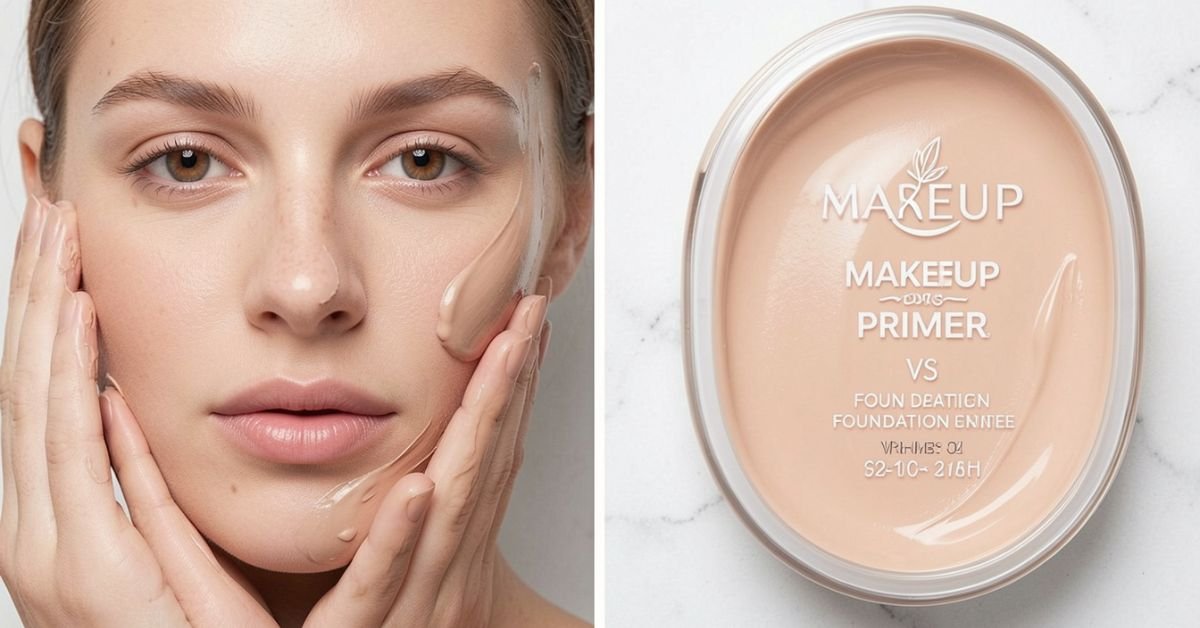
Many people confuse makeup primer and foundation, but they have different roles in a makeup routine. A primer is applied first to smooth the skin, minimize pores, and help makeup last longer. Foundation, on the other hand, is used to even out skin tone and provide coverage for a flawless look.
Understanding the difference between makeup primer vs foundation can help you choose the right products for your skin type and create long-lasting makeup with a smooth finish.
In this guide, we’ll explain makeup primer vs foundation in simple terms, including their benefits, key differences, and how to use them correctly. Whether you are a beginner or a makeup lover, knowing when and how to use these products can make a big difference in your overall makeup look.
What is foundation
Foundation is a makeup product used to create an even skin tone and smooth complexion. It helps cover blemishes, dark spots, redness, and uneven texture while giving the skin a natural, matte, or dewy finish depending on the formula.
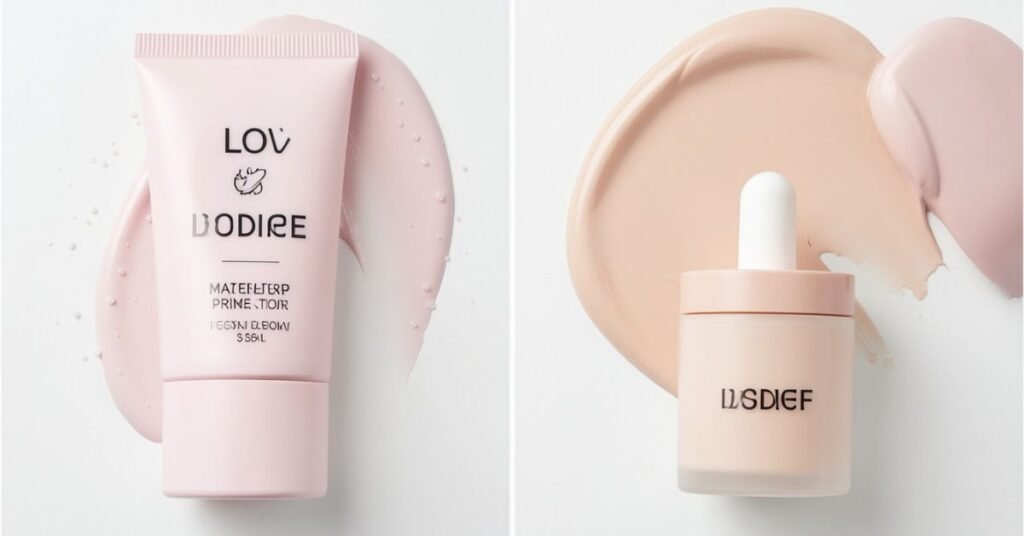
Foundation comes in different types such as liquid, powder, cream, and stick formulas to suit various skin types and coverage needs. It is usually applied after primer to help makeup look flawless and last longer.
What is makeup primer
A makeup primer is a cosmetic product applied before foundation to prepare the skin for makeup. It creates a smooth base, helps minimize the appearance of pores, controls oil, hydrates the skin, and makes makeup last longer throughout the day.
Makeup primers come in different formulas for different skin types, including mattifying primers for oily skin, hydrating primers for dry skin, and color-correcting primers for uneven skin tone.
What Makeup Artists Recommend
Most makeup artists recommend using both primer and foundation for a smooth, long-lasting makeup look. Primer helps prepare the skin by creating an even base, while foundation provides coverage and evens out the skin tone. Together, they help makeup stay fresh and flawless for hours.
Professional makeup artists also suggest choosing products based on your skin type. Hydrating primers work best for dry skin, while mattifying primers are ideal for oily skin. For foundation, lightweight formulas give a natural finish, while full-coverage foundations are better for special occasions or covering imperfections.
Makeup Primer vs Foundation for Oily Skin
Oily skin needs the right balance of prep and coverage, which makes understanding makeup primer vs foundation especially important. A primer helps control excess oil, reduce shine, and create a smooth base so your foundation stays in place for longer. Foundation then adds coverage and evens out the skin tone without making the skin look greasy or heavy.
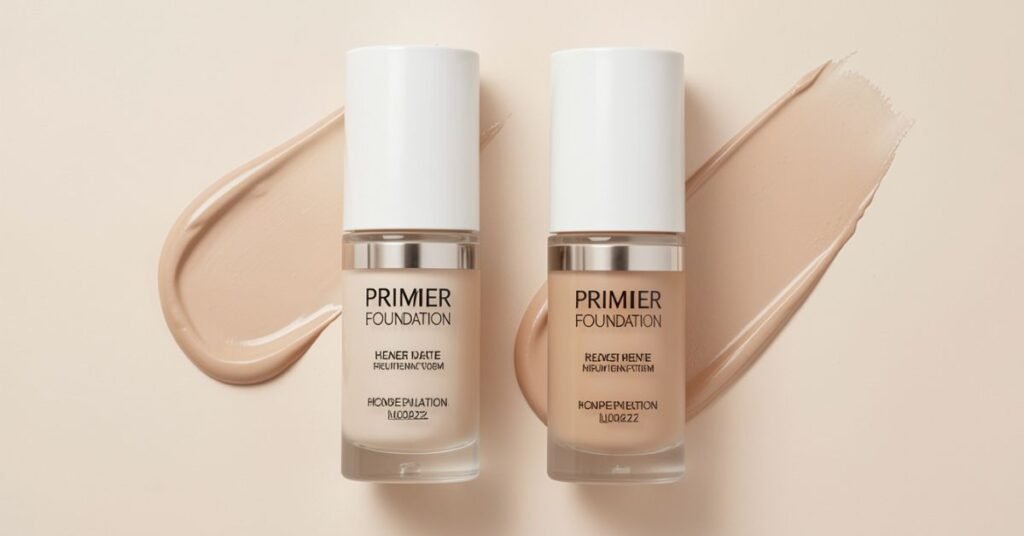
- Use a mattifying primer to control oil and shine
- Choose an oil-free, long-wear foundation formula
- Apply a thin layer of primer to avoid clogging pores
- Set foundation with a light translucent powder for extra hold
- Avoid heavy, creamy products that can slide off oily skin
Makeup Primer vs Foundation: Key Differences
Makeup primer and foundation are two essential products in a makeup routine, but they serve very different purposes. Primer is applied first to prepare the skin by smoothing texture, minimizing pores, and helping makeup last longer. Foundation comes after primer and is used to even out skin tone, cover imperfections, and create a flawless base. Understanding these differences helps you apply makeup correctly and achieve a more polished finish.
| Feature | Makeup Primer | Foundation |
| Purpose | Prepares and smooths skin | Provides coverage and evens skin tone |
| Application order | Applied first | Applied after primer |
| Main benefit | Long-lasting makeup | Flawless complexion |
| Texture effect | Reduces pores and shine | Covers blemishes and redness |
| Skin focus | Skin preparation | Skin appearance enhancement |
Makeup Primer vs Foundation for Dry Skin
Dry skin requires extra hydration, so choosing the right combination of makeup primer vs foundation is important for a smooth and natural finish. A hydrating primer helps nourish the skin, reduce dry patches, and create an even base so foundation applies more easily without clinging to rough areas. This step also helps makeup look fresher and more comfortable throughout the day.
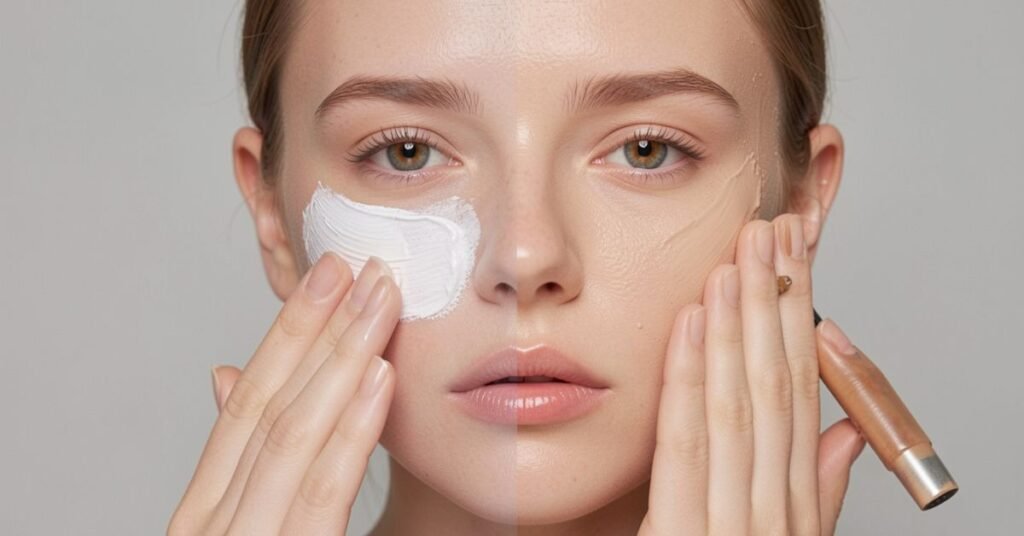
For foundation, people with dry skin should go for creamy or liquid formulas with a dewy or natural finish. These types of foundations add moisture and prevent the skin from looking flaky or dull. When used together correctly, primer and foundation can make dry skin appear healthy, glowing, and well-prepared for long-lasting makeup.
Tips for long lasting makeup
Long-lasting makeup begins with proper skin preparation. Start by cleansing and moisturizing your face to create a healthy base. Applying a suitable primer is essential because it helps smooth the skin, controls oil or adds hydration depending on your skin type, and allows foundation to stay in place for longer without fading or creasing.
After prepping the skin, choose a long-wear foundation and apply it in thin, even layers for a natural finish. Set your makeup with a light powder to lock everything in place, and finish with a setting spray for extra durability. These simple steps help keep your makeup fresh, smooth, and long-lasting throughout the day.
Final Thoughts
In conclusion, understanding makeup primer vs foundation is key to achieving a flawless and long-lasting makeup look. Primer prepares and protects the skin by creating a smooth base, while foundation enhances your complexion by evening out skin tone and covering imperfections. When used together correctly, they help create a polished and professional finish.
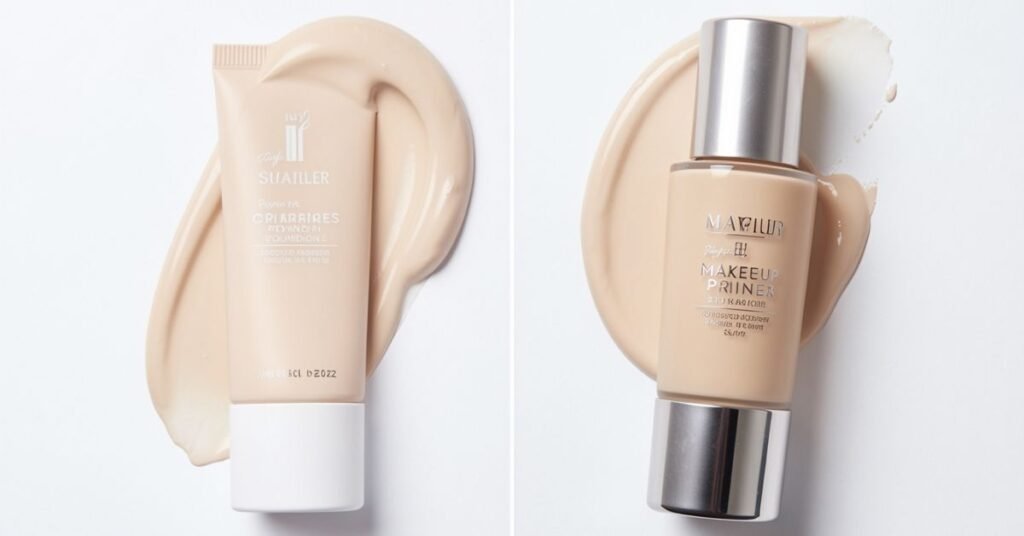
Choosing the right products for your skin type and applying them in the correct order can make a big difference in your overall makeup result. Whether you prefer a natural glow or full coverage, the right combination of primer and foundation ensures your makeup looks fresh, smooth, and well-blended throughout the day.
Conclusion
In conclusion, makeup primer and foundation work together to create a smooth, flawless base, but they serve different purposes. Primer prepares the skin by improving texture and helping makeup last longer, while foundation provides coverage and evens out the skin tone for a perfect finish.
When you choose products based on your skin type and apply them in the correct order, your makeup looks more natural, lasts longer, and stays fresh throughout the day. Understanding the difference between makeup primer vs foundation helps you build a better and more effective makeup routine.
FAQs
1. What comes first, primer or foundation?
Primer always comes first to prepare the skin, followed by foundation for coverage.
2. Can I use foundation without a primer?
Yes, but using primer helps makeup last longer and look smoother.
3. Is primer necessary for daily makeup?
It’s not required, but it improves skin texture and makeup durability.
4. What type of foundation is best for beginners?
Lightweight liquid foundation is best for easy blending and natural coverage.
5. Does primer replace moisturizer?
No, moisturizer hydrates the skin, while primer only prepares it for makeup.