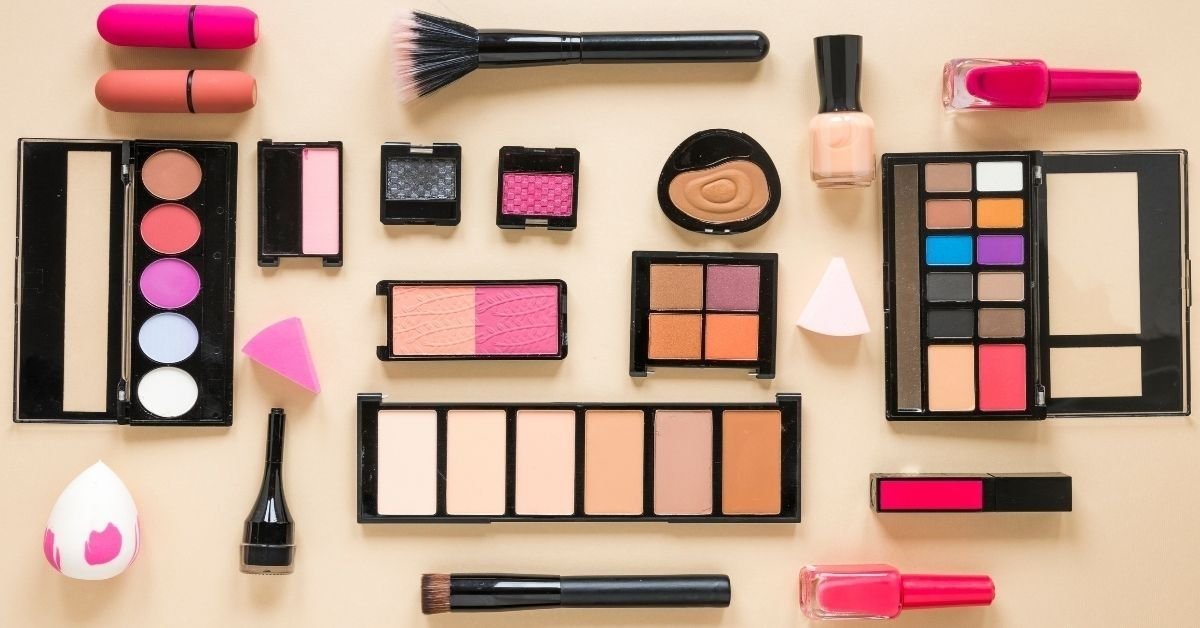
Starting your makeup journey doesn’t have to be confusing or expensive. With just a few basic products, you can create a simple and natural everyday look without feeling overwhelmed. The key is to focus on essentials and learn how each product works.
In this guide, you’ll discover the most important makeup products every beginner should have. Each item is explained in an easy and simple way, so you can understand what to use and why. This will help you build confidence and avoid buying unnecessary products.
We’ve also ranked these makeup essentials to make it easier for you to follow step by step. Whether you’re getting ready for daily wear or a special occasion, this guide will help you start your makeup routine with ease.
Essential Makeup Products Every Beginner Needs
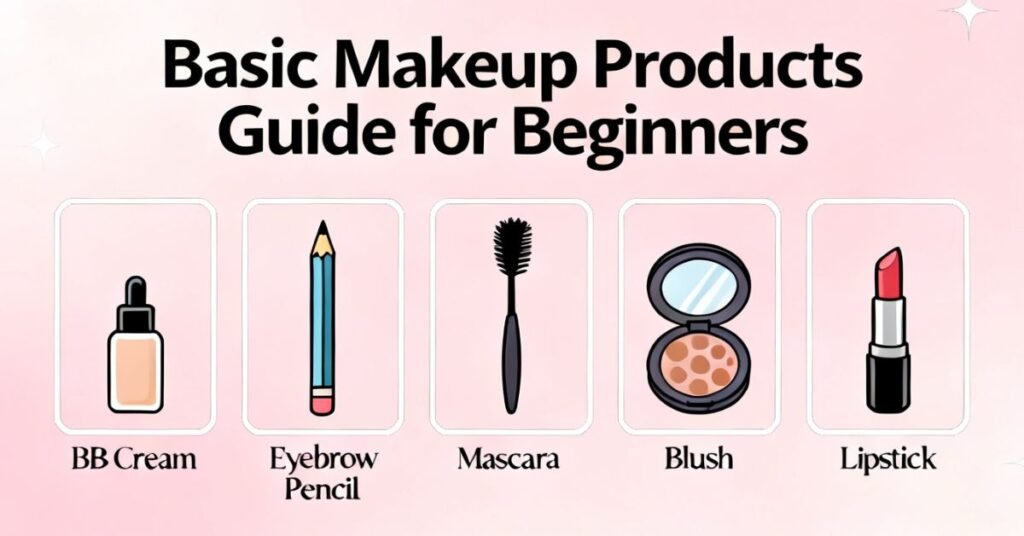
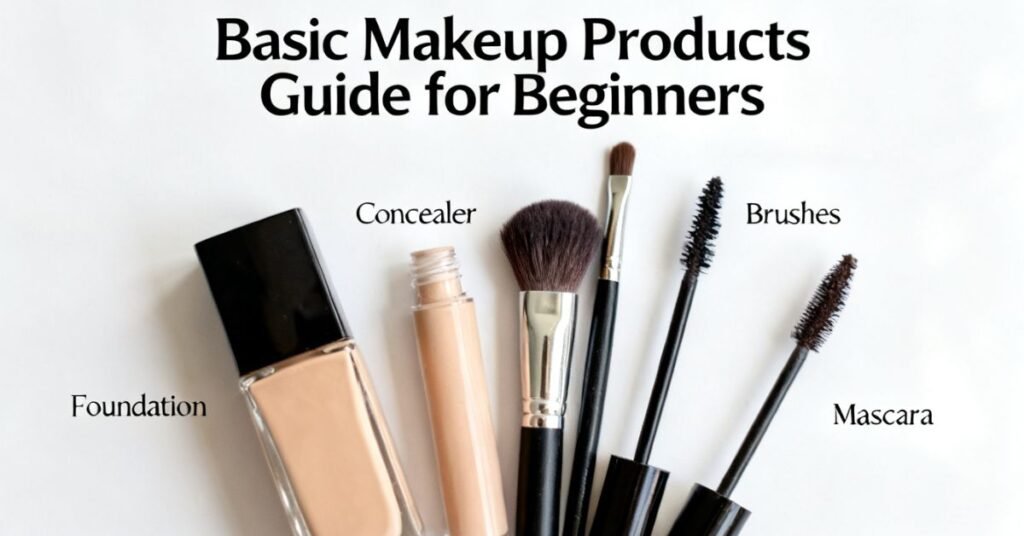
Starting with makeup is simple when you focus on a few essentials. Beginners should start with basics like foundation or BB cream, concealer, powder, blush, mascara, and a natural lip color to create a fresh, everyday look.
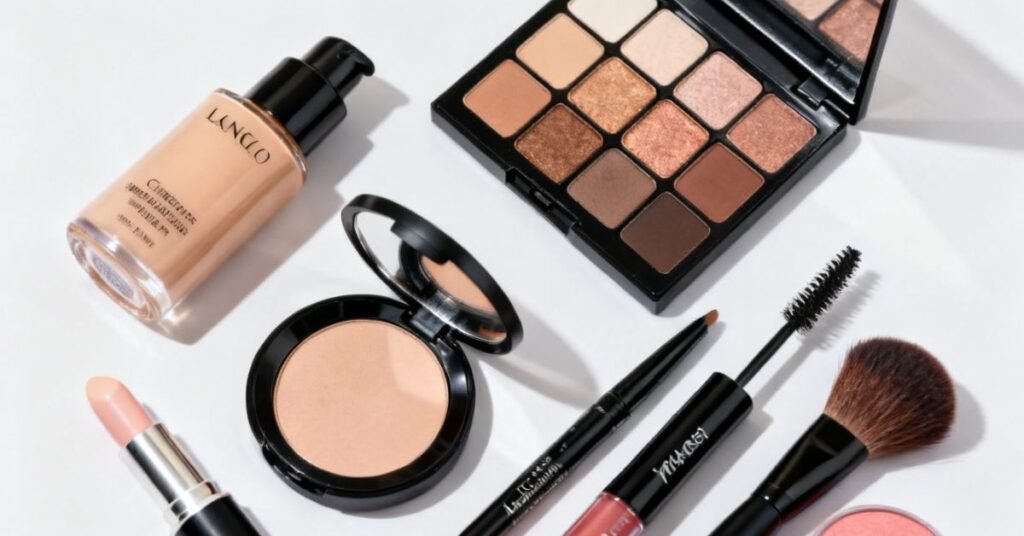
As you get comfortable, you can add items like an eyebrow pencil and a simple eyeshadow palette. Keeping your routine minimal helps you learn faster and build confidence step by step.
Building Your Beginner Makeup Kit
Building your first makeup kit does not have to be expensive or confusing. Start with a few basic makeup products that you can use every day. Choose products that match your skin type and feel comfortable on your face. A simple kit is often better than buying too many products at once. As you learn more, you can slowly add new items to your collection.
Some useful products for a beginner makeup kit include:
- Primer for a smooth makeup base.
- Concealer to cover small areas and brighten the face.
- Blush to add a healthy touch of color.
- Mascara to make the lashes look more defined.
- Lip color for a fresh and finished look.
- Setting powder to help reduce extra shine.
When choosing products, focus on quality and ease of use. You do not need every makeup product available. Pick shades that suit your natural features and daily style. A few well-chosen products can help you create many simple looks. This makes your beginner kit practical, easy to manage, and budget-friendly.
Easy Eye Makeup for Beginners
Easy eye makeup does not need to be complicated. Start with clean and moisturized eyelids. Apply a small amount of concealer or eye primer if needed. This can help your eye makeup look smoother. Choose soft shades like beige, brown, or light pink for your first looks.
Apply a light shade across the eyelid. Then add a slightly darker shade to the crease. Blend the colors gently with a soft brush. Avoid using too much product at once. Build the color slowly until you get the look you want. Simple blending can make a big difference.
Finish your eye makeup with mascara. Apply it from the roots of your lashes to the tips. Use a thin layer first and add more if needed. You can also use a soft brown eyeliner for a natural look. With a little practice, easy eye makeup can become a quick part of your daily routine.
Understanding Makeup Tools and Brushes
Understanding makeup tools and brushes helps you apply makeup more easily and neatly. Each tool has a purpose, like a sponge for blending foundation, a powder brush for setting makeup, and smaller brushes for eyeshadow and details.
For beginners, start with just a few basic tools such as a makeup sponge, powder brush, and eyeshadow brush. Keeping it simple makes learning easier and helps you achieve a clean, natural look.
Pre-Makeup Skin Preparation
| Step | What to Do | Why It’s Important |
| 1. Cleansing | Wash your face with a gentle face wash | Removes dirt and oil for a clean base |
| 2. Toning | Apply toner with cotton or hands | Balances skin and tightens pores |
| 3. Moisturizing | Use a light moisturizer | Keeps skin soft and hydrated |
| 4. Sunscreen | Apply SPF before makeup | Protects skin from sun damage |
| 5. Primer | Apply a thin layer of primer | Helps makeup last longer and look smooth |
Foundation Application for Natural Coverage
Apply foundation in small amounts and blend it well using a sponge or brush for a smooth, natural finish. Focus on even coverage without making it look heavy.
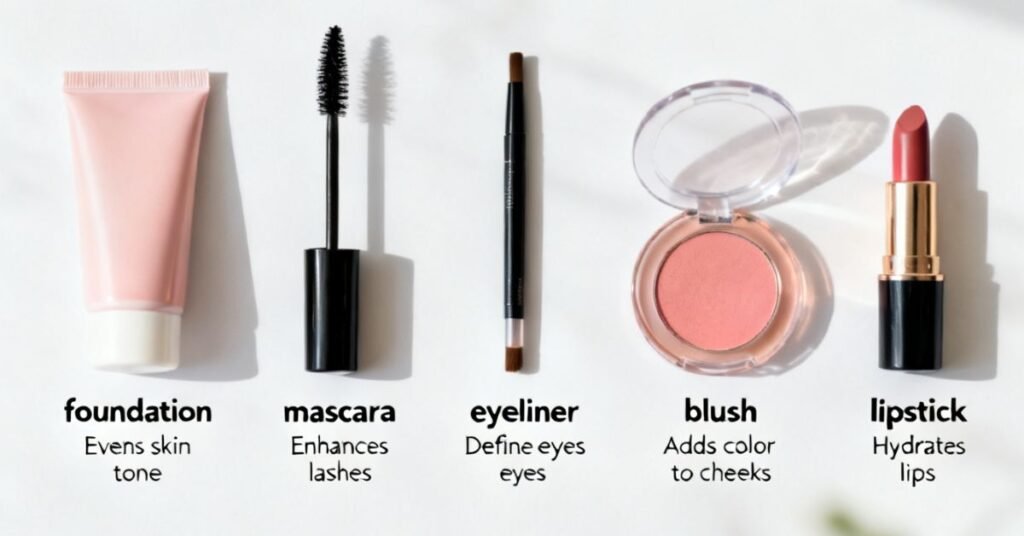
Choose a shade that closely matches your skin tone for a natural and seamless look.
and build it lightly. Good blending gives a fresh, natural look.
Strategic Concealer Use
Strategic Concealer Use
Concealer can help create a fresh and even makeup look. Beginners should start with a small amount. Apply it only where you need extra coverage. Common areas include under the eyes, around the nose, and on small blemishes. Choose a shade close to your skin tone for natural-looking coverage.
Use your fingertip, sponge, or small brush to blend the concealer. Pat the product gently instead of rubbing it. This helps keep the coverage in place. For the under-eye area, use a thin layer to avoid a heavy look. Add more only when needed.
For a brightening effect, you can use a slightly lighter concealer under the eyes or on the center of the face. Keep the application soft and well blended. A little concealer can go a long way. With simple practice, you can use concealer to create a smooth and natural-looking finish.
Simple Blush Application
For a natural look, choose a concealer that matches your skin tone or is one shade lighter. Use it sparingly and blend well so it melts into your skin without looking heavy or obvious.
Blush adds a healthy, natural glow to your face and brings life to your makeup look. Apply a small amount on the apples of your cheeks and gently blend it upward toward your temples for a soft, lifted effect.
For a natural finish, choose a shade that matches your skin tone and use a light hand. Blending well is the key to avoiding harsh lines and achieving a fresh, youthful look.
Setting Your Base Makeup
- Setting your base makeup can help it stay fresh for longer. Start with a small amount of setting powder. Apply it gently to areas that become oily, such as the forehead, nose, and chin. Use a soft brush or makeup sponge for an even finish. Avoid using too much powder, as it can make the skin look dry or heavy.
- If your skin is dry, use powder lightly and only where needed. Beginners can also use a setting spray after applying their makeup. Hold the bottle at a comfortable distance and mist it evenly over the face. Let the product dry naturally without touching your skin.
- A light setting routine can make your makeup look smoother and more comfortable. It can also reduce unwanted shine during the day. Choose products based on your skin type and the finish you prefer. With a gentle application, your base makeup can look fresh without feeling heavy.
Conclusion
Starting makeup can feel confusing at first. However, you only need a few basic products to create a simple look. Choose products that suit your skin and personal style. Practice each step slowly and give yourself time to learn.
With regular practice, makeup becomes easier and more enjoyable. You do not need a large collection to look polished. Start with the basics and add new products when you feel ready. Most importantly, enjoy the process and make the look your own.
FAQs
1. What makeup products should a beginner buy first?
Start with basic products like concealer, blush, mascara, lip color, and setting powder.
2. How can beginners apply makeup easily?
Begin with skincare, then apply base products, followed by eye, cheek, and lip makeup.
3. How much concealer should a beginner use?
Use a small amount and blend it gently. Add more only when extra coverage is needed.
4. Is setting powder necessary for beginners?
It is not always necessary. Use a light layer on areas that become oily or shiny.
5. How can I make beginner makeup look natural?
Choose soft shades and apply small amounts. Blend each product well for a fresh finish.