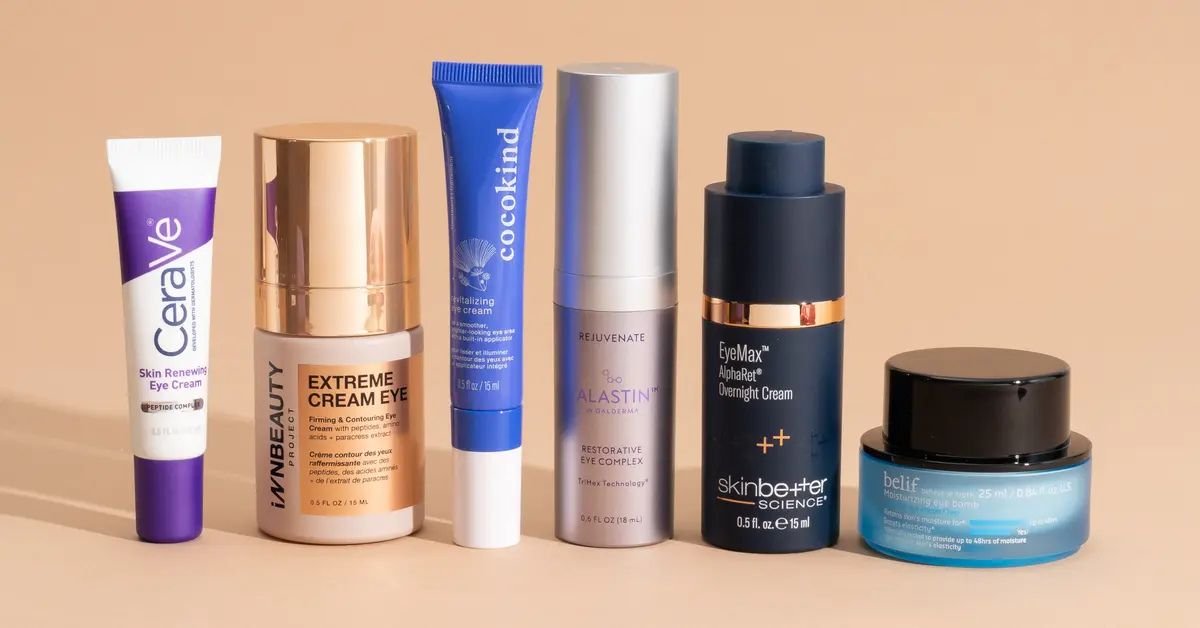
The best overnight recovery cream is a skincare product made to support your skin while you sleep. It usually contains moisturizing and repairing ingredients that help reduce dryness and improve softness. Unlike a regular day cream, it works for several hours during the night when the skin is naturally resting and renewing itself.
Your skin can look tired, dry, or dull after a long day. This is where an overnight recovery cream can make a noticeable difference. A good formula gives your skin extra moisture and care while you sleep, so you can wake up with skin that feels smoother, softer, and more refreshed.
Choosing the best overnight recovery cream depends on your skin type and needs. Some creams focus on deep hydration, while others support the skin barrier or improve the look of fine lines. In this guide, we will explain the main benefits of overnight recovery creams and how to use them correctly for better results.
Why Skin Needs Night Repair
Your skin deals with a lot during the day. Sun exposure, dry air, makeup, sweat, and pollution can leave it feeling tired or rough. At night, your skin gets a break from many of these daily stresses. This makes bedtime a good time to focus on moisture and skin care.

While you sleep, your skin continues its natural renewal process. A good nighttime routine can support this process by keeping the skin hydrated and comfortable. Using a nourishing cream may also help reduce the tight or dry feeling that some people notice in the morning.
Night repair does not need to be complicated. A gentle cleanser followed by a suitable recovery cream is often enough for a simple routine. The goal is to give your skin the moisture and support it needs, so it can look fresh, soft, and well cared for when you wake up.
What Is Recovery Cream?
Recovery cream is a rich skincare product made to support dry, tired, or stressed skin. It is often used at night because the skin has more time to rest without makeup, sunlight, or daily exposure to the environment.
Most recovery creams contain moisturizing and skin-supporting ingredients. These may help lock in hydration, soften rough areas, and support the skin barrier. The texture is usually thicker than a regular lotion, but formulas can vary depending on skin type.
A recovery cream can be useful when your skin feels tight, dull, or uncomfortable. It does not instantly repair every skin concern, but regular use can help the skin feel smoother, softer, and better moisturized over time.
How Night Cream Works
Night cream works by giving your skin extra moisture while you sleep. It helps create a soft layer on the skin that slows down water loss. This can make dry or rough skin feel more comfortable by morning.
Many night creams also contain ingredients that support the skin barrier. These ingredients help keep moisture inside and protect the skin from becoming too dry. Some formulas may also include antioxidants, peptides, or gentle renewing ingredients for added care.
The main benefit comes from using the cream regularly. Applying it after cleansing gives the product time to stay on the skin for several hours. With consistent use, your skin may feel softer, smoother, and better hydrated.
Top Overnight Cream Benefits
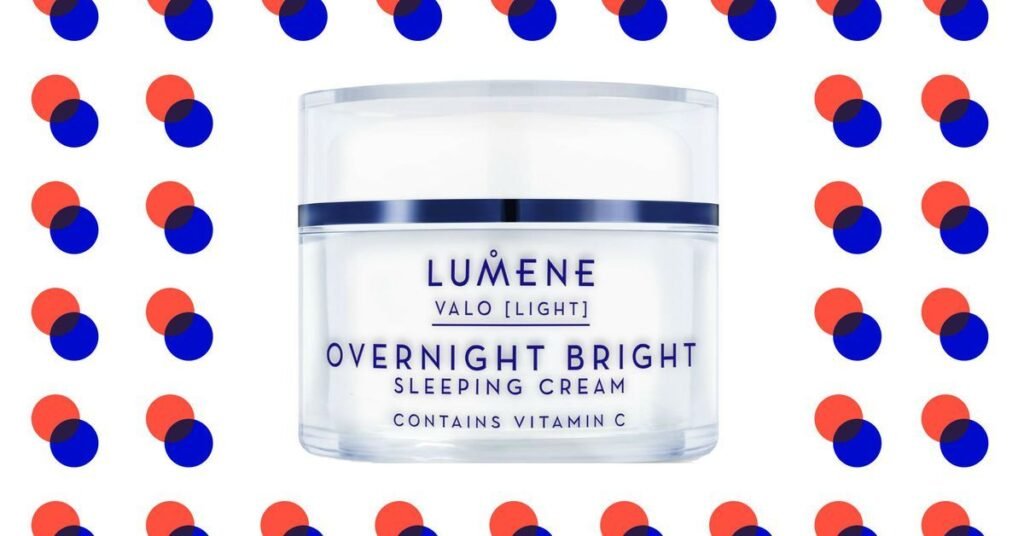
Overnight cream gives your skin extra care while you sleep. It helps hold moisture in the skin and can make dry areas feel softer by morning. A well-chosen formula may also support the skin barrier, especially after a long day of sun, air conditioning, makeup, or dry weather.
Regular use can make your nighttime routine more effective and comfortable. The results depend on your skin type and the ingredients in the product, but many people use overnight creams for these simple benefits:
- Helps reduce dryness and tightness
- Keeps skin feeling soft and smooth
- Supports the natural skin barrier
- Adds lasting hydration overnight
- Helps tired-looking skin appear more refreshed
- Can improve the feel of rough or flaky areas
- Makes the skin feel more comfortable in the morning
Best Ingredients for Night Repair
The right ingredients can make a big difference in a night cream. During sleep, your skin benefits from moisture and gentle support. Ingredients such as hyaluronic acid, ceramides, and glycerin help keep the skin hydrated and comfortable.
Some night creams also contain ingredients that focus on texture and the look of aging skin. Peptides can support a smoother appearance, while niacinamide may help strengthen the skin barrier. Antioxidants like vitamin E can also help protect the skin from everyday environmental stress.
Your skin type should guide your choice. Dry skin often needs richer moisturizing ingredients, while sensitive skin usually does better with simple and soothing formulas. If you are new to stronger ingredients such as retinol, start slowly and follow the product directions.
| Ingredient | Main Benefit | Best For |
| Hyaluronic Acid | Helps attract and hold moisture | Dry and dehydrated skin |
| Ceramides | Supports the skin barrier | Dry and sensitive skin |
| Glycerin | Keeps skin hydrated and soft | Most skin types |
| Niacinamide | Supports barrier strength and even-looking skin | Oily, dry, and combination skin |
| Peptides | Helps skin look smoother and firmer | Mature-looking skin |
| Squalane | Adds lightweight moisture | Dry and combination skin |
| Shea Butter | Helps soften very dry areas | Very dry skin |
| Vitamin E | Provides antioxidant support | Dry and stressed skin |
| Aloe Vera | Helps soothe and hydrate | Sensitive-feeling skin |
| Panthenol | Supports moisture and comfort | Dry or easily irritated skin |
| Retinol | Helps improve the look of fine lines and texture | Aging or uneven-looking skin |
| Oat Extract | Helps calm and comfort the skin | Sensitive and dry skin |
Best Overnight Recovery Cream for Dry Skin
The best overnight recovery cream for dry skin should give lasting moisture without making the skin feel heavy or uncomfortable. Look for a rich but gentle formula that helps reduce tightness and rough patches. Ingredients like ceramides, glycerin, squalane, and hyaluronic acid are often useful for dry skin.
A good recovery cream should also help support the skin barrier. This is important because dry skin can lose moisture more easily. Applying the cream at night can help keep the skin soft and comfortable for several hours while you sleep.
For very dry skin, thicker creams may work better than lightweight gels. It is also smart to avoid formulas with too much fragrance or harsh active ingredients if your skin is easily irritated. Use the cream after cleansing, and apply it to slightly damp skin to help lock in extra moisture.
Best Cream for Sensitive Skin
Sensitive skin needs a cream that feels gentle and calming. The best choice is usually a simple formula with fewer irritating ingredients. Look for ingredients such as ceramides, glycerin, panthenol, aloe vera, or colloidal oatmeal. These can help support moisture without making the skin feel uncomfortable.
Fragrance-free creams are often a better option for sensitive skin. Strong perfumes, harsh exfoliating acids, and too many active ingredients may cause redness or dryness in some people. A soft, moisturizing formula can help the skin barrier stay comfortable overnight.
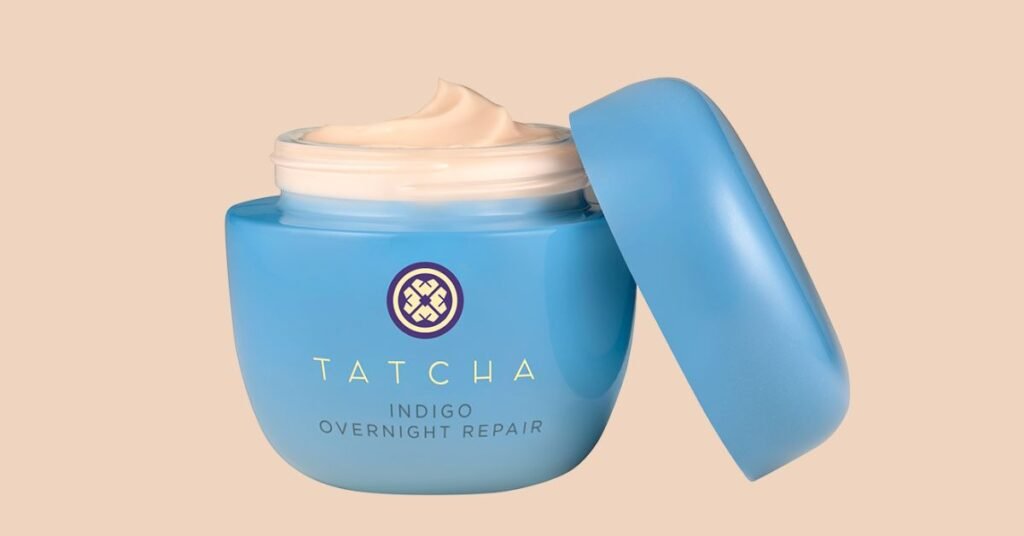
It is also a good idea to patch-test a new cream before using it on your whole face. Apply a small amount to one area and watch for any reaction. If your skin stays calm, you can slowly add the cream to your regular nighttime routine.
Best Cream for Aging Skin
A good cream for aging skin should focus on moisture, comfort, and a smoother-looking texture. Skin often becomes drier with age, so richer formulas can be helpful. Ingredients like ceramides, peptides, hyaluronic acid, and squalane can support softness and hydration.
Some creams also include retinol or niacinamide. These ingredients may help improve the look of fine lines, uneven tone, and rough texture over time. If your skin is sensitive, start with a gentle formula and avoid using too many strong ingredients at once.
The best results usually come from regular use. Apply the cream at night after cleansing, and use sunscreen during the day. A simple routine can help mature skin look more hydrated, fresh, and well cared for.
How to Choose the Right Cream
Choosing the right cream starts with understanding your skin type. Dry skin may need a richer formula, while oily or combination skin often feels better with a lighter texture. Sensitive skin usually benefits from simple, fragrance-free products.
Next, check the ingredient list. Look for ingredients that match your main skin concern, such as ceramides for barrier support, hyaluronic acid for hydration, or peptides for smoother-looking skin. Try not to choose a cream only because the packaging looks attractive.
It is also important to notice how your skin feels after using the product. A good cream should leave your skin comfortable, not greasy, tight, or irritated. If you are trying a new formula, start slowly and give your skin time to adjust.
Night Cream vs Moisturizer
A moisturizer is made to keep the skin hydrated and comfortable throughout the day or night. It can come in light lotions, gels, or rich creams. Most moisturizers focus on preventing dryness and helping the skin hold onto moisture.
Night cream is usually richer and designed specifically for bedtime use. It may contain ingredients that support the skin barrier, improve texture, or provide deeper hydration while you sleep. Some formulas also include peptides, niacinamide, or retinol for added nighttime care.
The main difference is how and when they are used. A regular moisturizer works well for everyday hydration, while a night cream may offer more targeted support. Your choice depends on your skin type, routine, and the results you want.
How to Use Recovery Cream
Start by washing your face with a gentle cleanser. Pat the skin dry, but leave it slightly damp if your cream works well on damp skin. If you use a serum, apply it before the recovery cream.
Take a small amount of cream and spread it gently over your face and neck. There is no need to use a thick layer. A little product is usually enough to cover the skin evenly.
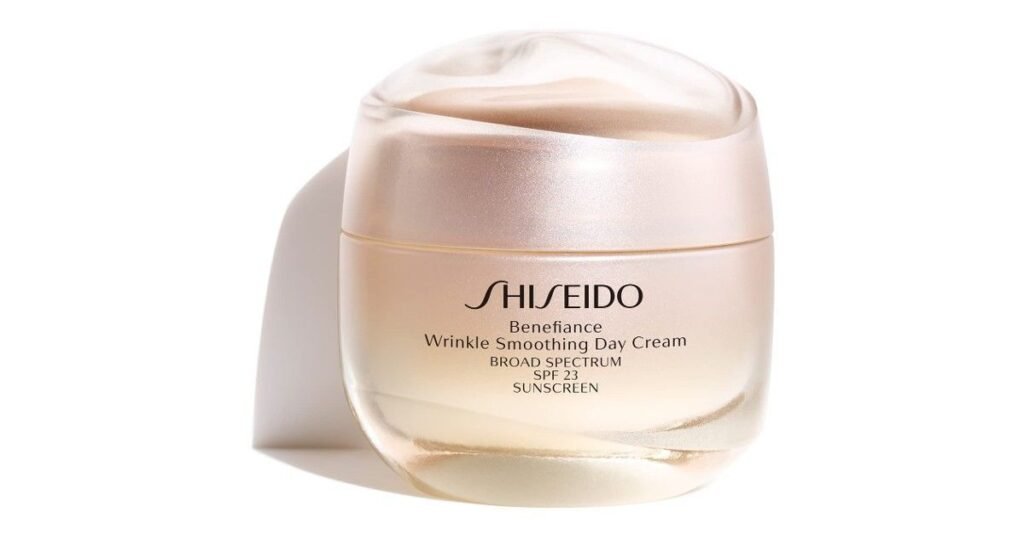
Use recovery cream as the last step of your nighttime routine. Let it stay on your skin while you sleep. For better results, use it regularly and choose a formula that matches your skin type and needs.
Conclusion
The best overnight recovery cream can be a useful part of a simple nighttime skincare routine. It helps keep the skin moisturized, soft, and comfortable while you sleep. The right formula can also support the skin barrier and improve the feel of dry or rough areas over time.
Choose a cream that matches your skin type and main concerns. Pay attention to the ingredients and avoid formulas that irritate your skin. With regular use and a gentle routine, an overnight recovery cream can help your skin look fresher, smoother, and better cared for in the morning.
FAQs
1. Can I use an overnight recovery cream every night?
Yes. Most gentle recovery creams can be used every night. Always follow the product directions, especially if it contains active ingredients like retinol.
2. When should I apply an overnight recovery cream?
Apply it in the evening after cleansing and using any serums. It usually works best as the final step of your nighttime routine.
3. Is overnight recovery cream good for dry skin?
Yes. A moisturizing formula can help reduce dryness and keep the skin feeling soft and comfortable throughout the night.
4. Can oily skin use a recovery cream?
Yes. Oily skin can benefit from a lightweight, non-comedogenic recovery cream that provides hydration without feeling too heavy.
5. How long does an overnight recovery cream take to work?
Your skin may feel softer and more hydrated after a few uses. Changes in texture or overall appearance usually require regular use over time.