Introduction
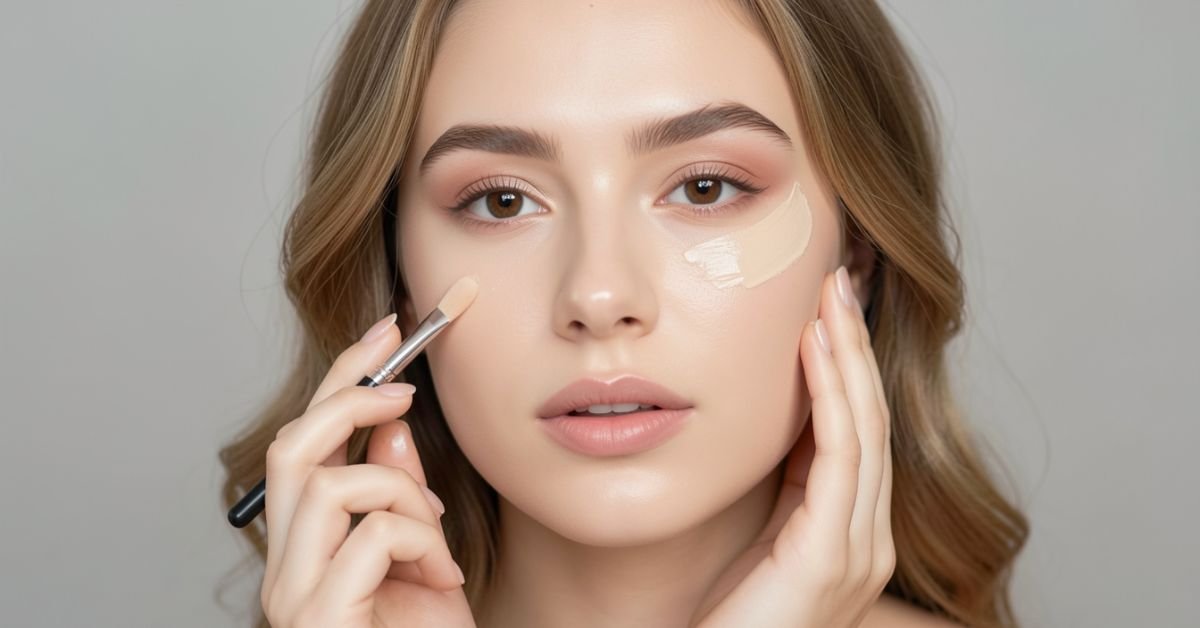
When it comes to achieving a flawless makeup look, foundation and concealer are two essential beauty products that play different but equally important roles. Foundation creates an even base by covering the entire face, while concealer targets specific areas such as dark circles, blemishes, and redness. Although both products help improve the skin’s appearance, understanding their differences can make makeup look more natural and polished.
Moreover, choosing the right product and applying it correctly can greatly enhance the final makeup result. Some people prefer lightweight coverage for everyday wear, whereas others may need fuller coverage for special occasions. Therefore, knowing how foundation and concealer work together can help anyone create a smooth, fresh, and long-lasting makeup look.
Understanding Base Makeup Products
Base makeup products help create a smooth and even skin appearance. They are used before other makeup products like blush or eyeshadow. Foundation and concealer are two of the most common base makeup items. These products help hide blemishes, redness, and dark circles. They also give the skin a cleaner and more polished look.
Many people feel confused when choosing between different base makeup products. Some products offer full coverage, while others give a light natural finish. The right makeup choice depends on your skin type and beauty needs. Learning the basics can make makeup applications much easier. Simple knowledge can help you achieve better results.
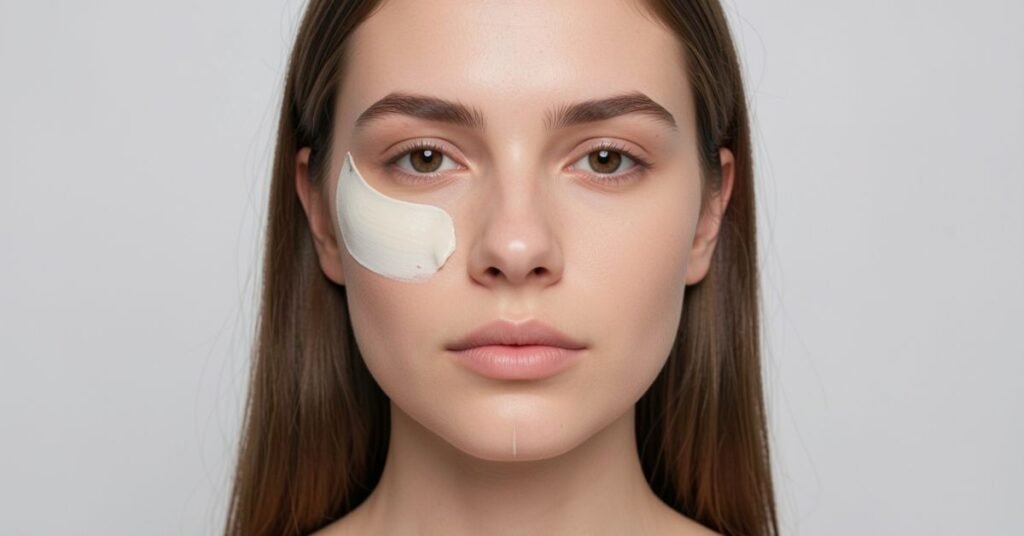
Foundation is usually applied to the whole face for an even skin tone. Concealer is used on specific areas that need extra coverage. Both products work together to create a smooth makeup base. Choosing the correct shade and formula is also very important. Understanding base makeup products can help improve your daily beauty routine.
Concealer vs Foundation Makeup: Key Differences
Foundation and concealer are both important makeup products, but they have different uses. Foundation is applied to the entire face to create an even skin tone. Concealer is used on small areas that need extra coverage. It helps hide dark circles, blemishes, and spots. Both It is possible to achieve a smooth makeup look by combining both products.
Foundation usually has lighter coverage than concealers. It blends into the skin to create a natural finish. Concealer is thicker and more pigmented. This helps cover problem areas more effectively. Many people use foundation first and then apply concealer where needed.
The texture and application methods are also different.Using a brush, sponge, or fingers, you can apply foundation. Concealer is often applied in smaller amounts with precise blending. Choosing the right shades is important for both products. Understanding these differences can help you create a flawless makeup base.
What Does Foundation Do for the Skin?
Foundation helps create an even and smooth skin tone. It covers redness, uneven patches, and light blemishes. Many people use foundation to make their skin look fresh and polished. It also helps other makeup products blend better. A good foundation can improve the overall makeup look.
Different foundations give different types of coverage. Some foundations feel light and natural on the skin. Others provide full coverage for a flawless finish. Liquid, cream, and powder foundations are common choices. Choosing the right formula depends on your skin type and personal style.
Foundation can also help makeup last longer during the day. Some products include skincare ingredients and sun protection. Applying foundation properly creates a clean makeup base. Blending is important for a natural appearance. The right foundation can boost confidence and enhance natural beauty.
How Concealer Helps Hide Imperfections
Concealer is used to cover small skin imperfections. It helps hide dark circles, acne marks, redness, and spots. The texture is usually thicker than foundation. This gives stronger coverage on specific areas of the face. Concealer helps the skin look smoother and cleaner.
Many people use concealer under the eyes to brighten tired-looking skin. It can also be applied around the nose or on blemishes. A small amount is often enough for good coverage. Blending the product carefully creates a natural finish. The right shade helps the concealer look more even on the skin.
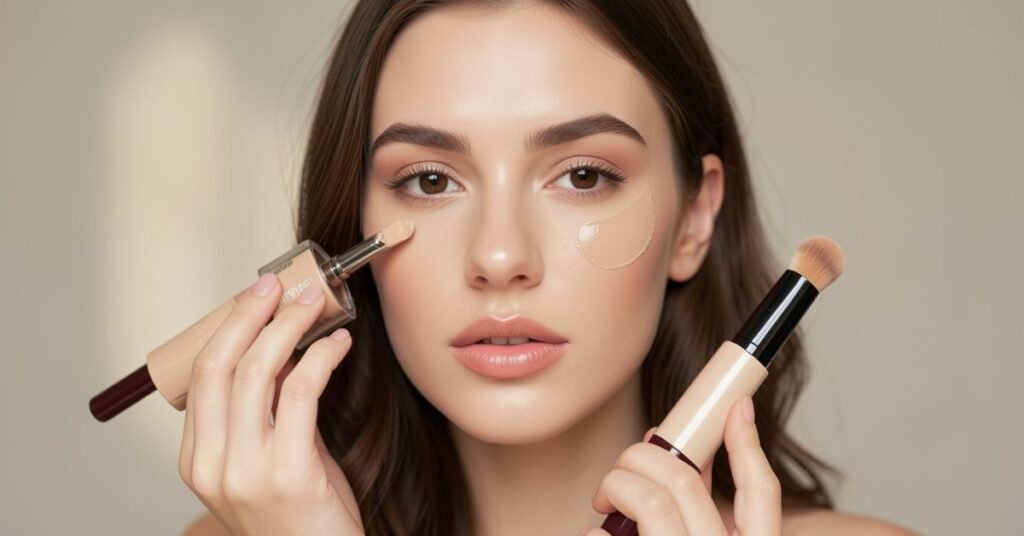
Different concealers are made for different skin needs. Some formulas are creamy for dry skin, while others are matte for oily skin. Lightweight concealers work well for daily makeup. Full-coverage concealers are useful for stronger imperfections. Choosing the right concealer can improve your overall makeup look.
The Right Skin Care Product
Choosing the right makeup product depends on your skin type. Some products work better for oily skin, while others suit dry or sensitive skin. Using the wrong formula can make makeup look uneven or uncomfortable. The right product helps your skin look smooth and natural. It also makes makeup last longer during the day.
Understanding your skin needs can make makeup shopping easier. Lightweight products are often better for oily skin. Creamy and hydrating formulas work well for dry skin. Testing shades and textures can also help you find the perfect match.
Helpful tips for different skin types:
- Matte foundation works well for oily skin
- Hydrating foundation suits dry skin
- Lightweight concealer feels better on sensitive skin
- Full-coverage products help cover acne marks
- Oil-free formulas reduce extra shine
- Cream-based products blend smoothly on dry skin
Common Mistakes in Applying Base Makeup
Many people make small mistakes when applying base makeup. Using too much product can make the skin look heavy and cakey. Choosing the wrong shade can also create an uneven appearance. Poor blending often leaves visible lines on the face. Simple makeup habits can improve the final look.
Skipping skincare before makeup is another common mistake. Dry or oily skin can affect how foundation and concealer look. Dirty brushes and sponges may also cause patchy makeup. Applying products in the wrong order can reduce coverage. Learning the right techniques helps create a smooth and natural finish.
| Common Mistake | Problem It Causes | Better Solution |
| Using too much foundation | Heavy and cakey makeup look | Apply thin layers slowly |
| Choosing the wrong shade | Uneven or unnatural skin tone | Match product to neck and skin tone |
| Not blending properly | Visible makeup lines | Use a sponge or brush for blending |
| Skipping moisturizer | Dry and patchy makeup | Moisturize skin before makeup |
| Applying concealer first | Uneven coverage | Apply foundation before concealer |
| Using dirty makeup tools | Patchy makeup and skin problems | Clean brushes and sponges regularly |
| Ignoring skin type | Makeup may slide or crack | Choose products for your skin type |
| Using too much powder | Dry and dull appearance | Apply powder lightly |
| Rubbing instead of dabbing | Uneven makeup texture | Dab products gently into the skin |
| Not setting makeup | Makeup fades quickly | Use setting powder or spray |
Tips for a Smooth and Natural Finish
Preparing the skin before makeup is very important. Clean and moisturized skin helps makeup apply more smoothly. Using a primer can also improve the makeup finish. It helps the foundation stay even and last longer. Healthy skin creates a more natural appearance.
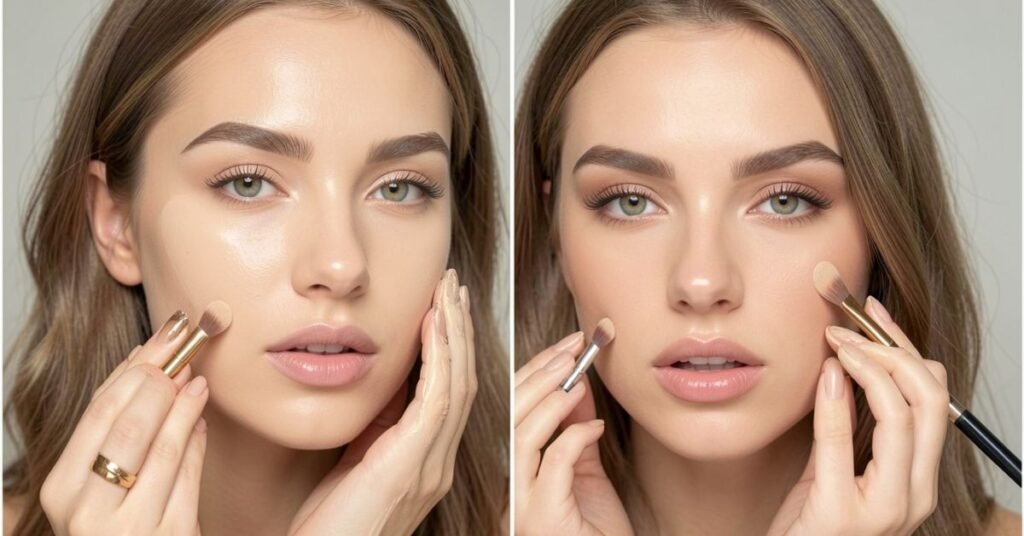
Applying makeup in thin layers gives better results. Too much product can look heavy on the skin. Blend foundation and concealer carefully for a soft finish. Makeup sponges and brushes can help create a smooth look. Gentle blending makes the makeup appear more natural.
The right products can also make a big difference. Lightweight formulas often look fresher during the day. Setting powder can reduce shine without making the skin dry. Good lighting can help you blend makeup evenly. Simple makeup techniques can create a clean and flawless finish.
Which Makeup Product Should You Use Daily?
The best daily makeup product depends on your skin needs and lifestyle. Some people prefer a foundation for full-face coverage. Others choose concealer for quick and light makeup. Daily makeup should feel comfortable on the skin. Lightweight products are often better for everyday wear.
Foundation is useful if you want an even skin tone throughout the face. Concealer works well for covering small imperfections like dark circles or spots. Many people use both products together for a balanced look. Choosing natural-looking formulas can help the skin appear fresh. Simple makeup routines also save time each day.
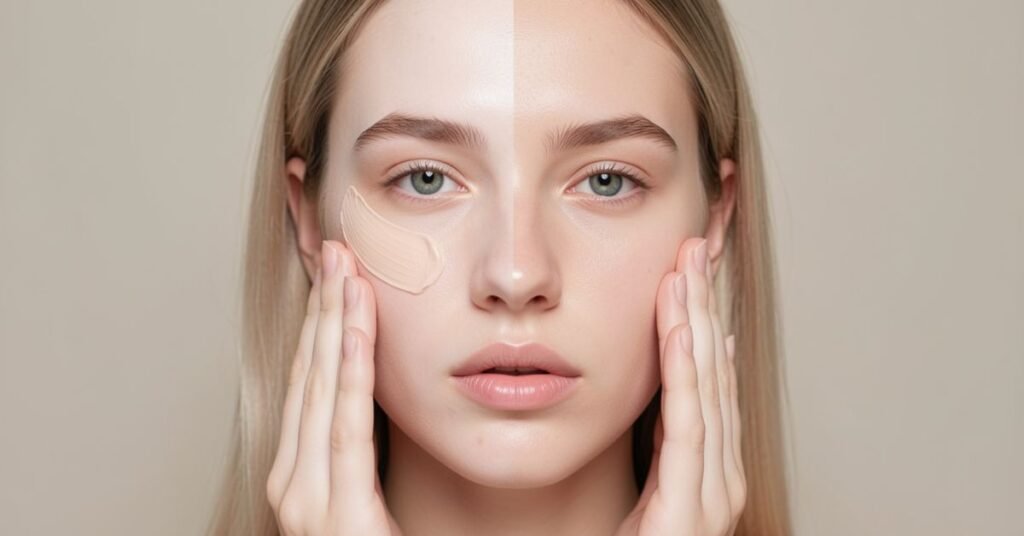
Your skin type also affects which product works best daily. Oily skin may need matte and oil-free formulas. Dry skin often looks better with hydrating products. It is important to remove makeup properly at the end of the day. The right daily makeup products can help you feel confident and comfortable.
Conclusion
Additionally, choosing makeup products should always depend on your skin type, preferences, and daily needs. For everyday wear, lightweight and comfortable formulas are often the best option. Furthermore, proper blending and selecting the correct shades can make a noticeable difference in achieving a flawless finish. With regular practice and the right products, anyone can create a fresh, radiant, and polished makeup look. Ultimately, understanding the role of base makeup products makes beauty routines easier, more effective, and more enjoyable.
FAQs
1. What is the main difference between concealer and foundation?
Foundation covers the entire face to create an even complexion, whereas concealer is used to target specific areas like dark circles, blemishes, and redness.
2. Can I use concealer without foundation?
Yes, concealer can be used alone for a light, natural, and everyday makeup look.
3. Which product should I apply first?
Generally, foundation is applied first, and then concealer is used for additional coverage where needed.
4. Is foundation better for oily skin?
Yes, matte and oil-free foundations are usually more suitable for oily skin because they help control shine and excess oil.
5. How do I choose the right concealer shade?
It is best to choose a concealer that matches your skin tone or is slightly lighter for brightening the under-eye area.