Introduction
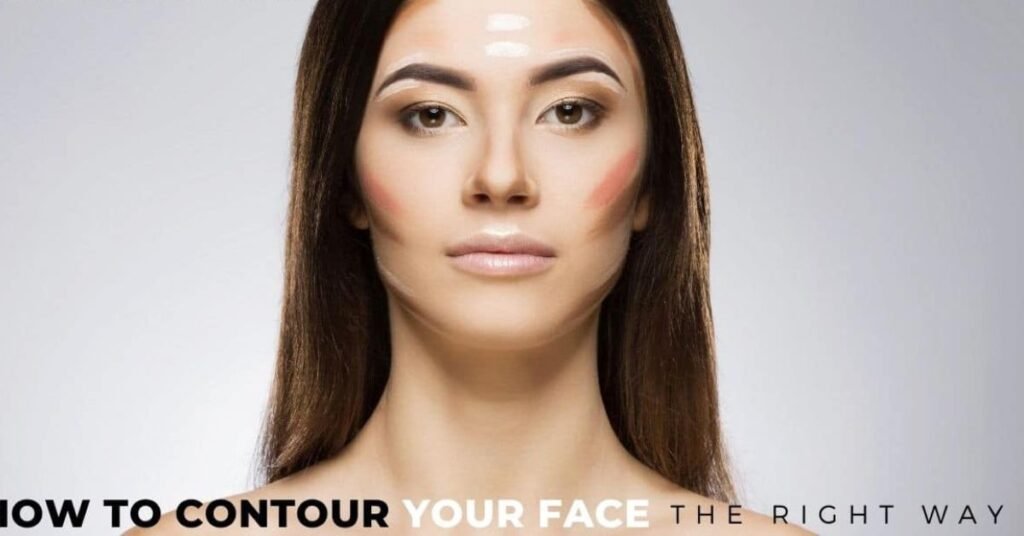
Contouring is a makeup technique. It helps shape and define your face. You use darker shades to create natural-looking shadows on your face. You use lighter shades to highlight areas. This makes your face look more balanced. It can enhance your natural features in a soft way.
Many beginners feel confused about contouring. It may look hard at first. But it is actually simple with the right steps.You do not need many products. You only need basic tools and a little practice.With time, you can create a smooth and natural look.
This guide will help you learn easy contouring. You will understand where to apply each product. You will also learn how to blend well. The goal is to keep your makeup soft and natural. Perfect for everyday wear and beginners.
What Is Contouring
Contouring is a simple makeup technique. It helps shape your face. You use a darker shade to create shadows. You use a lighter shade to highlight areas. This makes your features stand out in a soft way. It can define your cheeks, nose, and jawline.
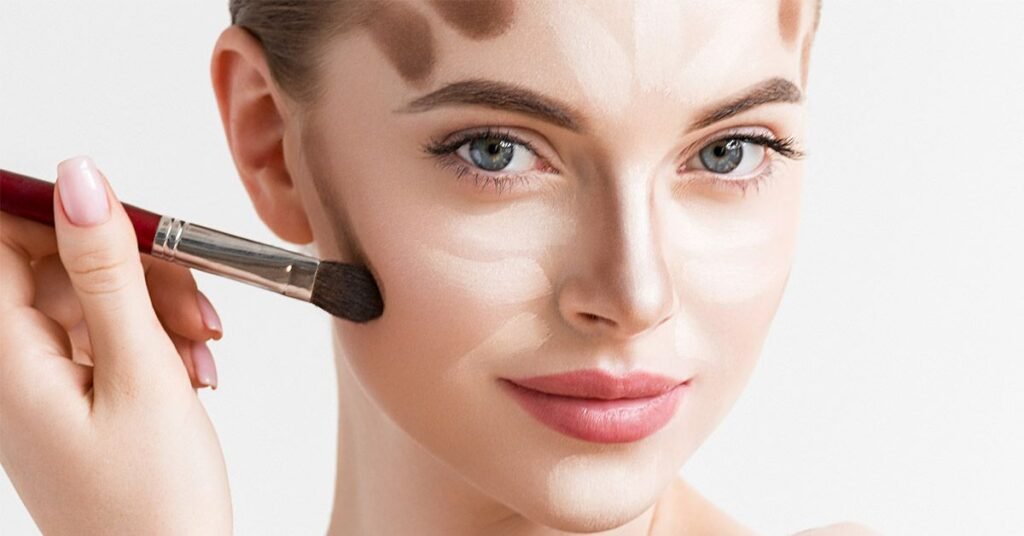
This method is not only for experts. Beginners can also learn it easily. The key is to keep it light and natural. You do not need heavy makeup. With good blending, your skin will look smooth and balanced. Contouring should enhance your natural beauty, not hide it.
Tools for Beginner Contour
You do not need many tools to start contouring. A good contour product is the first step. You can use a cream or powder, depending on your skin type. A basic makeup brush is also important. An angled brush works well for shaping the face. A small fluffy brush helps with blending.
A makeup sponge is also helpful for beginners. It blends the product smoothly into the skin. You can use it to soften harsh lines. A mirror with good lighting is important too. It helps you see where to apply and blend. With these simple tools, contouring becomes easy and stress-free.
Best Contour Products
Choosing the right contour product is important for beginners. You can start with a cream or powder contour. Cream products are soft and easy to blend. They give a natural and dewy look. Powder contours are simple to use and good for oily skin. They also help control shine and stay in place longer.
Look for a contour shade that is slightly darker than your skin tone. Avoid shades that are too orange or overly dark. Stick to cool or neutral tones for a natural shadow effect. Many beginner-friendly palettes come with both contour and highlight shades. This makes it easier to practice and get a balanced look.
Choosing the Right Shade
Choosing the right contour shade is very important. It helps your makeup look natural and soft. A contour shade should be a little darker than your skin tone. It should not look too orange or too dark. Cool or neutral shades work best because they create a real shadow effect on the face.
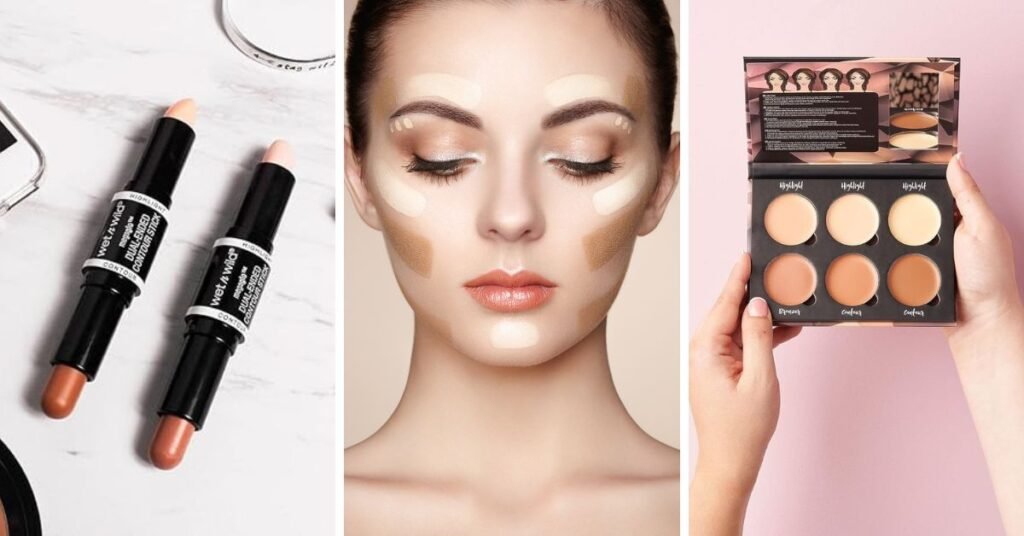
Beginners should always test the shade before buying. Try it on your jawline or hand. Make sure it blends well with your skin. A good shade will not look harsh or patchy. It should melt into your skin for a smooth finish.
- Pick a shade 1–2 tones darker than your skin
- Choose cool or neutral undertones
- Avoid orange or too warm shades
- Test the product in natural light
- Blend well for a soft, natural look
Face Shape Contour Guide
Every face shape is different. Contouring helps enhance your natural features. It also helps create balance on the face. You use darker shades to add depth. You use lighter shades to highlight. The placement of contour depends on your face shape. This helps your makeup look more natural and clean.
Beginners should first understand their face shape. It can be round, oval, square, heart, or long. Each shape needs a different contour style. The goal is not to change your face. The goal is to softly define your features. With practice, you will learn what works best for you.
| Face Shape | Where to Contour | Where to Highlight | Main Goal |
| Round | Sides of forehead, under cheekbones, jawline | Center of forehead, nose, chin | Make face look slimmer |
| Oval | Light contour under cheekbones | Forehead center, chin | Keep natural balance |
| Square | Corners of forehead, jawline | Center of face | Soften sharp edges |
| Heart | Sides of forehead, under cheekbones | Chin and under eyes | Balance wide forehead |
| Long | Top of forehead, chin | Cheeks and center of face | Make face look shorter |
Easy Contour Steps
Contouring can be simple for beginners. Start with a clean, moisturized face. Then apply your foundation or base makeup. Then take a small amount of contour product. Apply it under your cheekbones, along your jawline, and on the sides of your nose. Use light strokes and do not apply too much at once.
Now blend everything well. Use a brush or sponge to soften the lines. Blend upward for a lifted look. Make sure there are no harsh edges. You can add a little highlighter on the high points of your face. This includes your cheekbones, nose, and forehead. The goal is to keep the look soft, smooth, and natural.
Blending for Natural Look
Blending is the most important step in contouring. It makes your makeup look smooth and natural. Without blending, contour lines can look harsh. Always use a soft brush or a damp sponge. Start blending slowly and gently. Do not rub the product too hard on your skin.
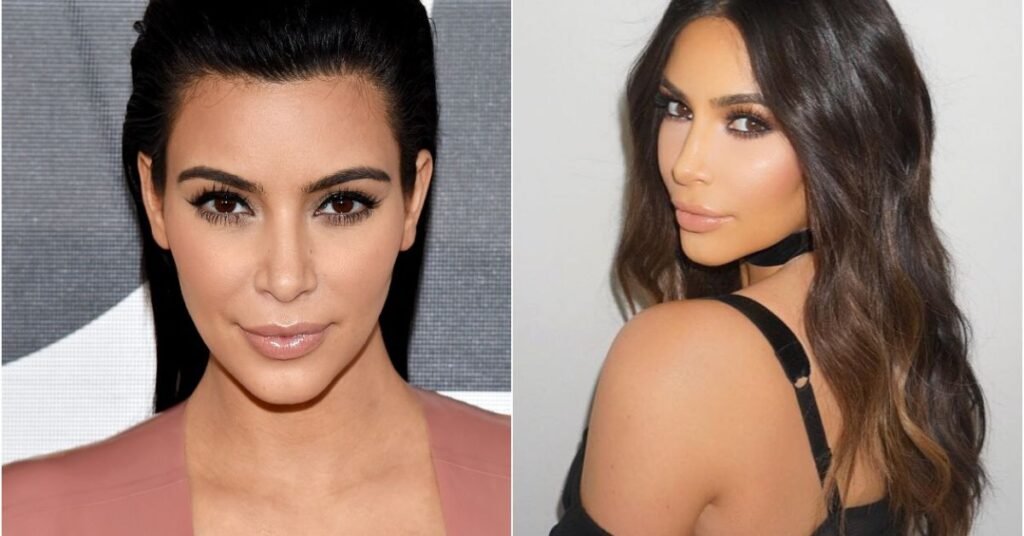
Blend in small circular or tapping motions. This helps the product melt into your skin. Always blend upward for a lifted effect. Make sure there are no sharp lines left. Take your time with this step. Good blending will give you a clean and flawless finish.
Common Contour Mistakes
Many beginners make small mistakes when learning contouring.A common mistake is using too much product.This can make the face look heavy and unnatural. Another mistake is choosing the wrong shade. A shade that is too dark or too warm can look harsh on the skin. It is always better to start with a light hand and build slowly.
Not blending properly is also a big mistake. Harsh lines can ruin the whole look. Always blend well for a smooth finish. Applying contour in the wrong areas can change the face shape in a bad way. It is important to follow your natural features. Keep your contour soft and simple for the best results.
Conclusion
Contouring is easy to learn with practice. You do not need to be an expert. Start with simple steps and basic tools. Always choose the right shade and blend well. This helps your makeup look soft and natural.
With time, you will feel more confident. Try different styles and see what suits your face. Keep your look light and fresh. The goal is to enhance your beauty, not hide it. Practice slowly and enjoy the process.
FAQs
1. Is contouring hard for beginners?
No, it is simple if you follow easy steps and practice regularly.
2. Which contour is best for beginners?
Cream contour is easy to blend and great for beginners.
3. How do I choose the right contour shade?
Pick a shade 1–2 tones darker than your skin with a cool or neutral tone.
4. Do I need many tools for contouring?
No, a basic brush or sponge is enough to start.
5. How can I make my contour look natural?
Blend well and use a small amount of product for a soft finish.