Choosing the right foundation can make a big difference in your makeup routine. Cream and liquid foundations are two of the most popular options. Each one has its own texture, finish, and benefits for different skin types.
Have you ever wondered why one foundation looks flawless on someone else but not on you? The answer often depends on your skin type and the finish you want. Knowing the difference can help you make a better choice.
In this article, you will learn how cream and liquid foundations compare. We will cover their benefits, application tips, skin type recommendations, and common mistakes. By the end, you will know which foundation is the better fit for your needs.
Understanding Foundation Types
Foundation is a makeup product that helps create an even skin tone. It can cover small marks, redness, and uneven areas. It also gives your makeup a smooth base.
There are different types of foundations available today. Cream and liquid foundations are two of the most common choices. Each one has a different texture and finish on the skin.
The best foundation depends on your skin type and personal preference. While some people prefer a natural look, others prefer a more covered look. Understanding the different types makes it easier to choose the right product for your daily routine.
Cream vs Liquid Foundation difference
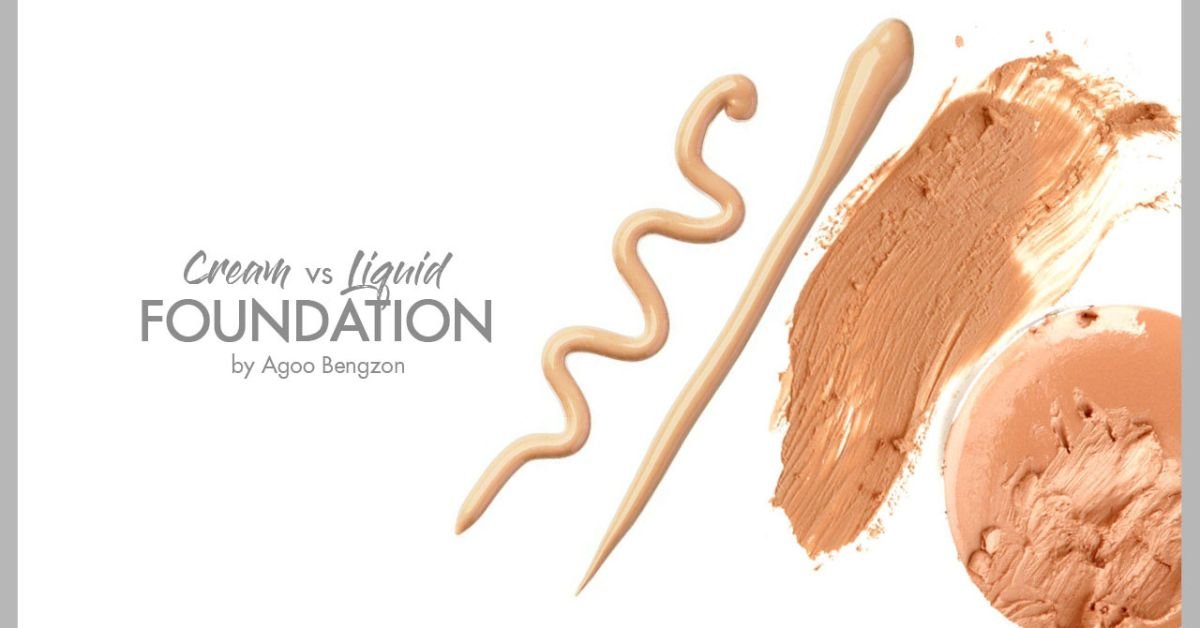
Cream foundation has a thick and rich texture. It usually provides medium to full coverage. It is often a good choice for dry skin because it adds moisture and creates a smooth finish.
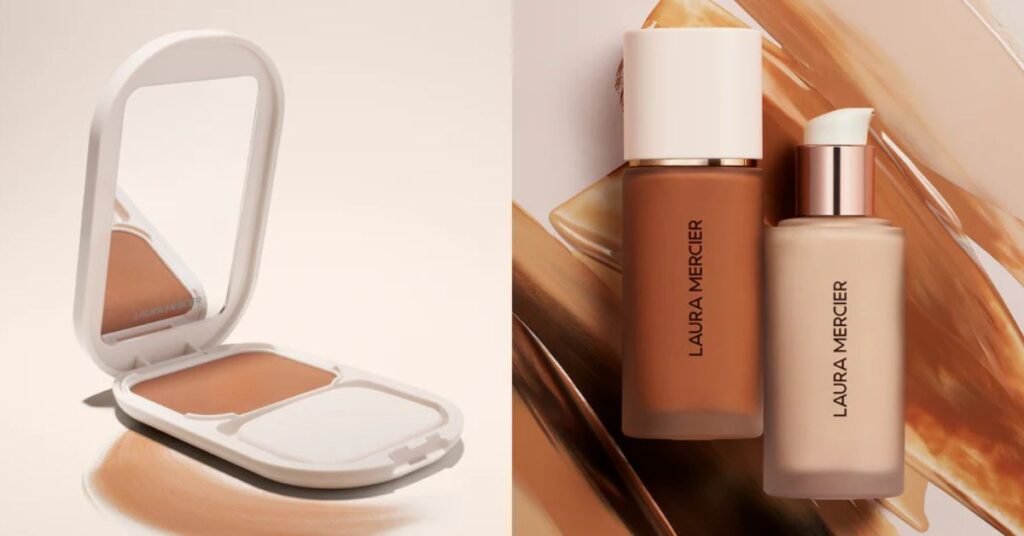
Liquid foundation has a thinner and lighter texture. It can give light, medium, or full coverage depending on the formula. Many people choose it for a natural and breathable look.
The main difference is how they feel and look on the skin. Cream foundation is more moisturizing and gives a fuller finish. Liquid foundation is lighter, easier to blend, and works well for many different skin types.
Coverage and Finish Compared
Coverage is one of the biggest differences between cream and liquid foundation. The coverage of cream foundation is usually medium to full.It helps hide blemishes, redness, and uneven skin tone.
Liquid foundation comes in many coverage levels. Some formulas give a light and natural look, while others provide full coverage. This makes it easy to choose one that matches your makeup style.
The finish also depends on the type of foundation. Cream foundation often gives a soft, smooth, or dewy finish. Liquid foundation can be matte, natural, or radiant, depending on the formula you choose.
Best Choice by Skin Type
Your skin type plays a big role in choosing the right foundation. Cream foundation is often a better choice for dry or mature skin because it adds moisture and gives a smooth finish. Liquid foundation works well for many skin types and is available in different formulas.
There is no single foundation that is perfect for everyone. The best option depends on your skin’s needs and the look you want to achieve. Testing a product before buying can help you find the right match.
Quick Guide by Skin Type:
- Dry skin: Cream foundation is usually a great choice.
- Oily skin: Matte liquid foundation works well.
- Combination skin: Lightweight liquid foundation is a good option.
- Normal skin: Both cream and liquid foundations can work.
- Sensitive skin: Choose a gentle, fragrance-free formula.
- Mature skin: Cream foundation can give a smoother finish.
Application Tips for Both
Start with clean and moisturized skin before applying foundation. A primer can help create a smooth base and make your makeup last longer. Always choose a shade that matches your skin tone.
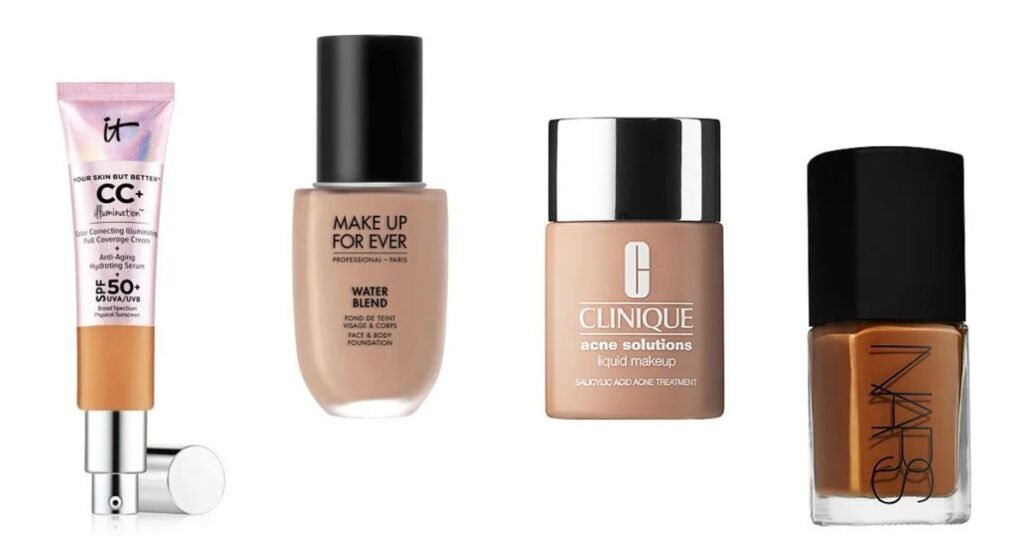
Apply cream foundation with clean fingers, a sponge, or a dense brush. Use small amounts and blend gently into the skin. Build the coverage slowly instead of applying too much at once.
Liquid foundation can be applied with a sponge, brush, or fingertips. Blend it evenly from the center of your face outward. Set your foundation with a light layer of powder if you want longer-lasting wear.
Pros and Cons Explained
Cream foundation gives good coverage and helps create a smooth finish. It is often a great choice for dry or mature skin. However, it can feel heavy if too much product is applied.
It is easy to blend and lightweight liquid foundation. It comes in many finishes, from matte to dewy. Some formulas may need touch-ups during the day, especially on oily skin.
Both foundation types have their own strengths. The right choice depends on your skin type, makeup style, and personal preference. Trying different formulas can help you find the one that works best for you.
Cream vs Liquid Comparison Table
Cream and liquid foundations both have unique strengths. The best choice depends on your skin type, desired coverage, and preferred finish. Comparing their features can help you decide which one fits your makeup routine.
The table below highlights the main differences between cream and liquid foundations. Use it as a quick guide before choosing your next foundation.
| Feature | Cream Foundation | Liquid Foundation |
| Texture | Thick and creamy | Light and fluid |
| Coverage | Medium to full | Light to full |
| Finish | Dewy or satin | Matte, natural, or dewy |
| Best for Dry Skin | Excellent | Good |
| Best for Oily Skin | Fair | Excellent with matte formulas |
| Best for Combination Skin | Good | Excellent |
| Best for Mature Skin | Very good | Good |
| Blendability | Moderate | Easy |
| Buildable Coverage | Yes | Yes |
| Hydration | High | Medium to high |
| Everyday Wear | Good | Excellent |
| Long-Lasting | Good | Depends on the formula |
| Lightweight Feel | No | Yes |
| Beginner Friendly | Moderate | Yes |
| Ideal Application | Brush, sponge, or fingers | Brush, sponge, or fingers |
| Best Makeup Look | Full coverage | Natural or full coverage |
| Suitable for Sensitive Skin | Depends on ingredients | Depends on ingredients |
| Price Range | Medium to high | Budget to premium |
Common Foundation Mistakes
One common mistake is choosing the wrong foundation shade. A shade that is too light or too dark can look unnatural. When buying foundation, ensure that it is tested in natural light.
Many people also apply too much product. Thick layers can make makeup look heavy and uneven. It is better to start with a small amount and build the coverage if needed.
Skipping skincare before applying foundation is another mistake. Clean and moisturized skin helps foundation blend better and last longer. Using the right primer and setting products can also improve the final look.
Conclusion
Both cream and liquid foundations have their own benefits. The right choice depends on your skin type, coverage needs, and the finish you prefer. Understanding these differences makes it easier to find the perfect foundation for your daily routine.
There is no single foundation that works for everyone. Try different formulas to see what feels best on your skin. With the right product and proper application, you can achieve a smooth, natural, and long-lasting makeup look.
FAQs
1. Which is better, cream or liquid foundation?
It depends on your skin type and the finish you want. Cream foundation suits dry skin, while liquid foundation works well for most skin types.
2. Is cream foundation good for oily skin?
Cream foundation can feel heavy on oily skin. A matte liquid foundation is often a better choice.
3. Does liquid foundation provide full coverage?
Yes, many liquid foundations offer buildable coverage from light to full, depending on the formula.
4. Which foundation lasts longer?
Both can last all day when applied correctly with primer and setting products. The formula and your skin type also affect wear time.
5. Can I use cream and liquid foundation together?
Yes, some people combine them for custom coverage and finish. Blend them well to achieve a smooth and natural look.