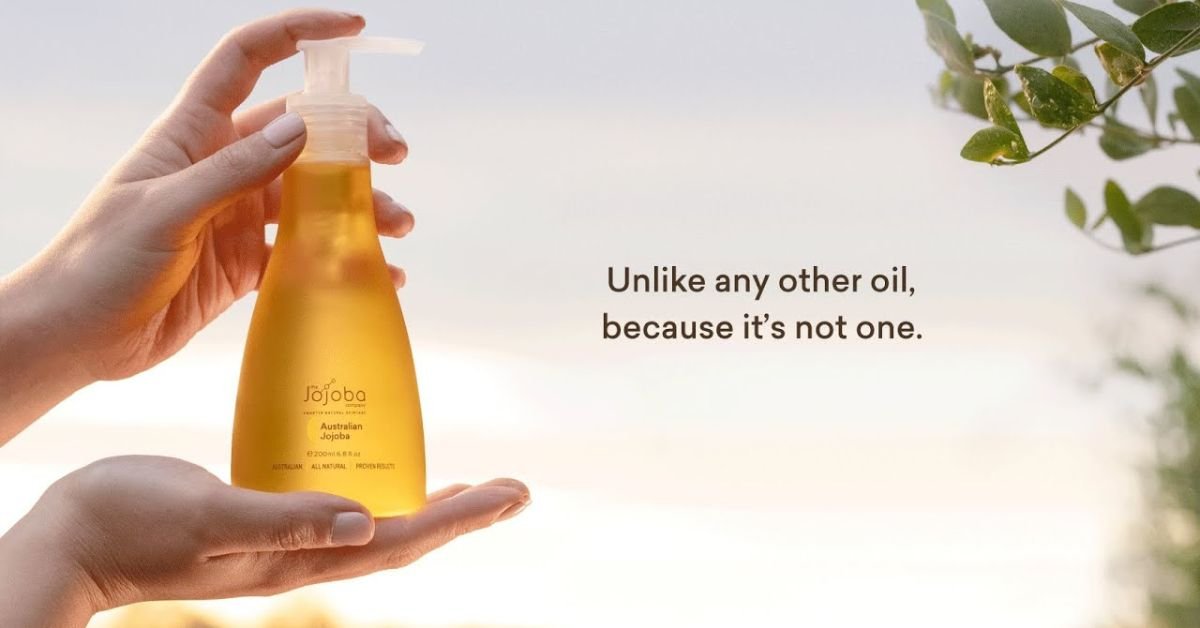
Jojoba oil face moisturizer is a skincare product that helps keep the skin soft and hydrated. It contains jojoba oil, which is known for its lightweight and moisturizing properties. It can be used as part of a simple daily skincare routine.
Dry or dull skin can make your face feel uncomfortable. A good moisturiser can make a big difference. Jojoba oil face moisturiser is easy to use and can help your skin feel smoother without feeling too heavy.
Using it the right way can help you get better results. It is usually applied after cleansing your face. In this guide, you will learn how to use jojoba oil face moisturizer in your daily skincare routine and get the most from it.
What Makes Jojoba Oil Unique?
Jojoba oil is different from many other plant oils. It is actually a liquid wax that feels light on the skin. Its texture is close to the natural oils produced by our skin. This helps it spread easily without feeling too greasy.
Another unique quality is its gentle and balanced feel. Jojoba oil can help soften dry areas while still feeling comfortable on combination or oily skin. It also forms a light layer on the skin that helps reduce moisture loss. This can leave the face feeling smoother and more hydrated.

Jojoba oil is also popular because it works well with many skincare routines. It can be used on its own or added to creams and moisturizers. A small amount is often enough for the face. Its simple texture and easy use make it a practical choice for everyday skincare.
Does Jojoba Oil Moisturize Skin?
Yes, jojoba oil can help keep the skin moisturized. It creates a light layer on the skin that helps slow down water loss. This can make dry or tight skin feel softer and more comfortable.
Jojoba oil does not add water to the skin by itself. Instead, it helps hold in the moisture that is already there. That is why it often works best when applied to slightly damp skin or used with a regular face moisturizer.
Its lightweight texture also makes it easy to use on the face. Many people like it because it does not feel as heavy as some other oils. With regular use, it can support smoother and more flexible-looking skin.
How to Use Jojoba Oil as a Moisturizer
Start with a clean face. Wash your skin with a gentle cleanser and pat it lightly with a towel. Leave the skin slightly damp. This gives jojoba oil some moisture to help seal in.
Place two or three drops of jojoba oil on your fingertips. Rub your hands together gently and press the oil into your face. Focus on areas that feel dry or tight. Avoid using too much, as a small amount usually spreads well across the skin.
You can use jojoba oil in the morning or at night. It can also be applied after a water-based serum or mixed with a small amount of your regular moisturizer. If you are using it during the day, finish your skincare routine with sunscreen.
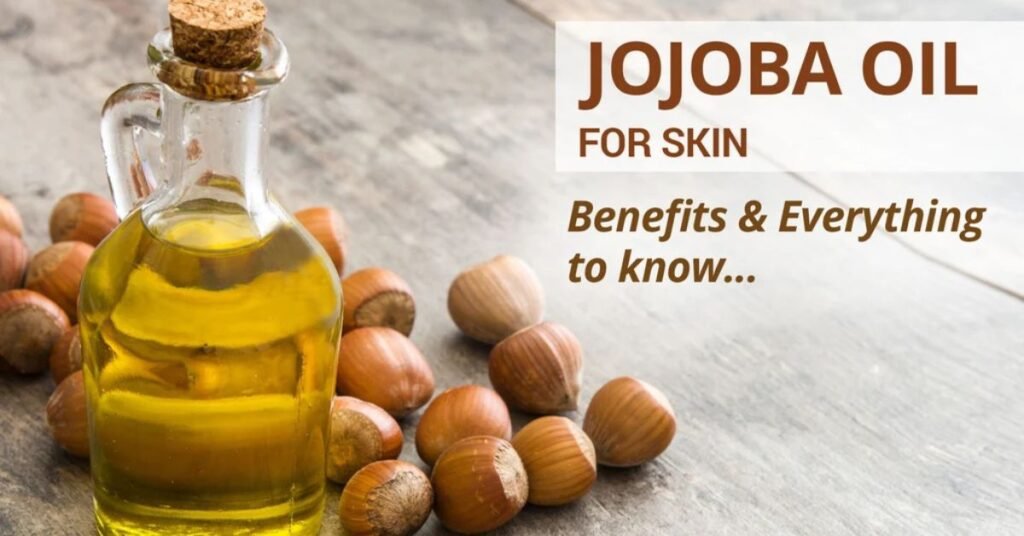
Benefits of Jojoba Oil for Skin
Jojoba oil can be a helpful addition to a simple skincare routine. It has a light texture and helps reduce moisture loss from the skin. This can make the face feel softer, smoother, and more comfortable, especially when the skin feels dry or tight.
It is also easy to pair with many skincare products. A few drops can be used alone or layered over a moisturizer. Because it feels lighter than many heavy oils, some people find it easier to use on the face without a thick or sticky finish.
Some common benefits of jojoba oil include:
- Helps keep the skin feeling soft and moisturized
- Supports the skin’s natural moisture barrier
- Can reduce the feeling of dryness and tightness
- Has a lightweight texture that spreads easily
- Works well with many creams and serums
- Can be used on both the face and dry areas of the body
For stronger Mediavine-style content, the next sections should also include practical tips, personal-experience-style observations, and clear answers to reader questions rather than repeating the same benefits.
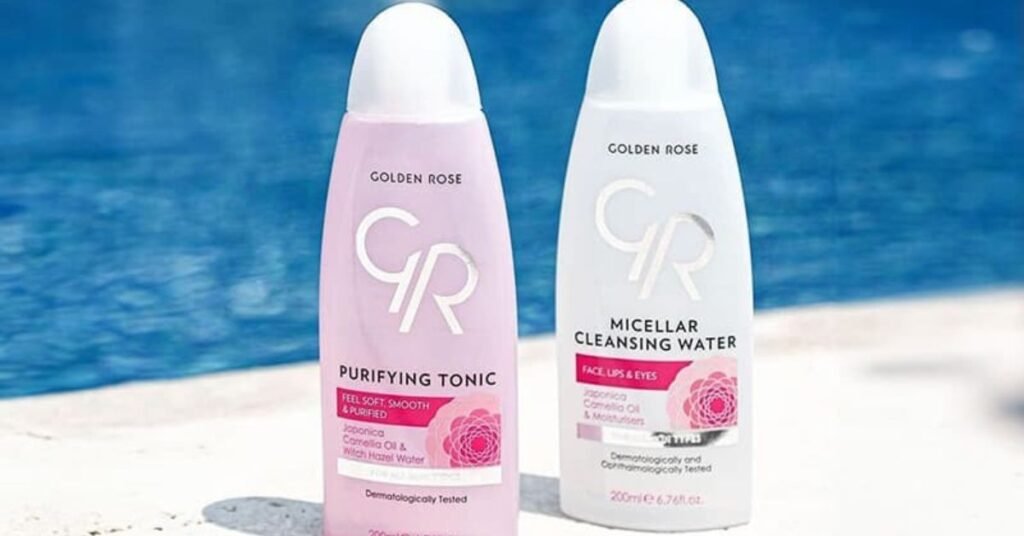
Golden Rose’s Approach to Natural Hydration
Golden Rose combines moisture-focused ingredients with lightweight formulas. Its products are designed to help the skin or lips feel softer without creating a heavy finish. For example, the brand’s tinted moisturiser uses a hydrating complex and vitamins, while some lip products include jojoba oil, shea butter, and vitamin E.
This approach makes hydration feel easy to add to an everyday beauty routine. Instead of relying only on rich creams, Golden Rose also brings moisturizing ingredients into products that offer other benefits, such as light coverage or lip care. This can be useful for people who prefer simple products that serve more than one purpose.
The main idea is to support a soft and comfortable feel while keeping the texture practical for daily use. Hydrating ingredients can help reduce the dry or tight feeling that often appears after cleansing or during changing weather. Choosing the right product still depends on your skin type, routine, and personal preferences.
| Hydration Feature | How It Fits Into a Routine | Possible Benefit |
| Jojoba oil | Used in moisturizing lip formulas | Helps soften dry-feeling areas |
| Shea butter | Included in selected lip care | Adds a richer, conditioning feel |
| Vitamin E | Found in moisturizing formulas | Supports a smooth and comfortable feel |
| Hydrating complex | Used in tinted moisturiser | Helps provide everyday hydration |
| Lightweight texture | Suitable for regular use | Feels less heavy on the skin |
| Tinted hydration | Combines moisture with light coverage | Simplifies a daytime beauty routine |
| SPF in selected products | Added to some face and lip products | Provides an extra daytime feature |
| Emollient ingredients | Help coat and soften dry areas | Can reduce rough or tight feeling |
| Multi-purpose formulas | Combine beauty and moisture benefits | Makes routines easier to manage |
| Daily-use focus | Fits into morning or casual routines | Encourages consistent hydration |
Is Jojoba Oil Good for Skin?
Yes, jojoba oil can be a good choice for many skin types. It has a light texture and helps the skin feel soft and smooth. It can also help reduce moisture loss, which is useful when the skin feels dry or tight.
One reason jojoba oil is popular is that it does not usually feel as heavy as thicker oils. A few drops can be enough for the face. It can be used on slightly damp skin, over a serum, or after a moisturizer to help lock in hydration.
Jojoba oil may work well for dry, normal, and combination skin. However, every skin type reacts differently. It is a good idea to start with a small amount and stop using it if you notice irritation or discomfort.
Jojoba Oil for Face: How It Feels on the Skin
Jojoba oil feels light and smooth when applied to the face. It spreads easily, so you only need a small amount. Unlike some thicker oils, it usually does not leave a heavy or sticky layer on the skin.
After application, the skin may feel softer and more comfortable. It can give dry areas a smoother feel and add a light, healthy-looking sheen. When used in the right amount, it absorbs well and does not make the face feel overly greasy.
The final feel can depend on your skin type and how much oil you use. Dry skin may enjoy a slightly richer layer, while oily or combination skin may prefer just one or two drops. Applying it to slightly damp skin can also help it feel more balanced and comfortable.
Should I Use Jojoba Oil Before or After Moisturizer?
In most skincare routines, jojoba oil works best after moisturizer. Moisturizer adds water and hydrating ingredients to the skin. Jojoba oil can then sit on top and help reduce moisture loss. This makes it a useful final step, especially for dry or dehydrated skin.
If you use a very lightweight moisturizer, apply it first and give it a moment to settle. Then warm one or two drops of jojoba oil between your fingertips and gently press it onto your face. You can focus on areas that feel dry rather than covering the entire face.

Some people also mix a drop of jojoba oil into their moisturizer before applying it. This can give the cream a richer feel without adding another skincare step. The best method depends on your skin type, so start with a small amount and adjust as needed.
Does Jojoba Oil Clog Pores?
Jojoba oil is generally considered less likely to clog pores than many heavier oils. It has a light texture and spreads easily across the skin. For many people, this makes it a comfortable option for facial use.
Still, every skin type can react differently. Using too much oil may leave the skin feeling greasy or heavy. If you are prone to breakouts, start with one or two drops and watch how your skin responds over a few days.
It is also a good idea to choose a simple jojoba oil product without unnecessary fragrance or added ingredients. Apply it to clean skin and avoid layering too many rich products at once. If clogged pores or irritation appear, reduce how often you use it or stop using it.
Where to Find High-Quality Cold Pressed Jojoba Oil
High-quality cold pressed jojoba oil is available from many skincare brands, natural beauty stores, health shops, and trusted online retailers. Look for products that clearly mention “cold pressed” and “100% pure jojoba oil” on the label. A short ingredient list is usually a good sign.
You can also check the brand’s official website before buying. Read the product details and see where the jojoba oil comes from. Good packaging matters too. Dark glass bottles can help protect the oil from light and keep it fresh for longer.
Avoid choosing a product only because it is cheap. Check customer reviews, ingredient information, and storage instructions first. For facial use, it is better to choose a simple formula without added fragrance, artificial color, or unnecessary fillers.
Final Thoughts
Jojoba oil can be a simple and useful addition to a daily skincare routine. Its light texture makes it easy to apply, and it can help the skin feel softer and more comfortable. It also works well with many moisturizers and serums.
The key is to use a small amount and pay attention to how your skin responds. You can apply it after moisturizer, mix a drop into your cream, or use it on dry areas when needed. A good-quality, cold pressed jojoba oil is usually the best choice for facial use.
No single skincare product works the same way for everyone. Start slowly, keep your routine simple, and choose products that suit your skin type. With consistent use, jojoba oil can be an easy way to support smooth, hydrated-looking skin.
Conclusion
Jojoba oil can be a helpful choice for keeping the skin soft and comfortable. It feels light and can fit easily into a daily skincare routine. You can use it after moisturizer or apply a small amount to dry areas.
The best results usually come from simple and consistent use. Choose a good-quality jojoba oil and start with only a few drops. Pay attention to how your skin feels and adjust your routine when needed.
FAQs
1. Can I use jojoba oil on my face every day?
Yes, jojoba oil can be used daily if it suits your skin. Start with one or two drops and see how your skin responds.
2. Is jojoba oil suitable for oily skin?
Jojoba oil has a lightweight feel and may work well for oily skin. Use only a small amount to avoid making the face feel greasy.
3. Can jojoba oil replace my regular moisturizer?
Jojoba oil mainly helps reduce moisture loss rather than adding water to the skin. For better hydration, you can use it after your regular moisturizer.
4. When is the best time to apply jojoba oil?
You can apply jojoba oil in the morning or at night. It works especially well after cleansing and moisturizing while the skin still feels hydrated.
5. How much jojoba oil should I use on my face?
Usually, one to three drops are enough for the entire face. Using too much may leave a heavier or oily feeling on the skin.