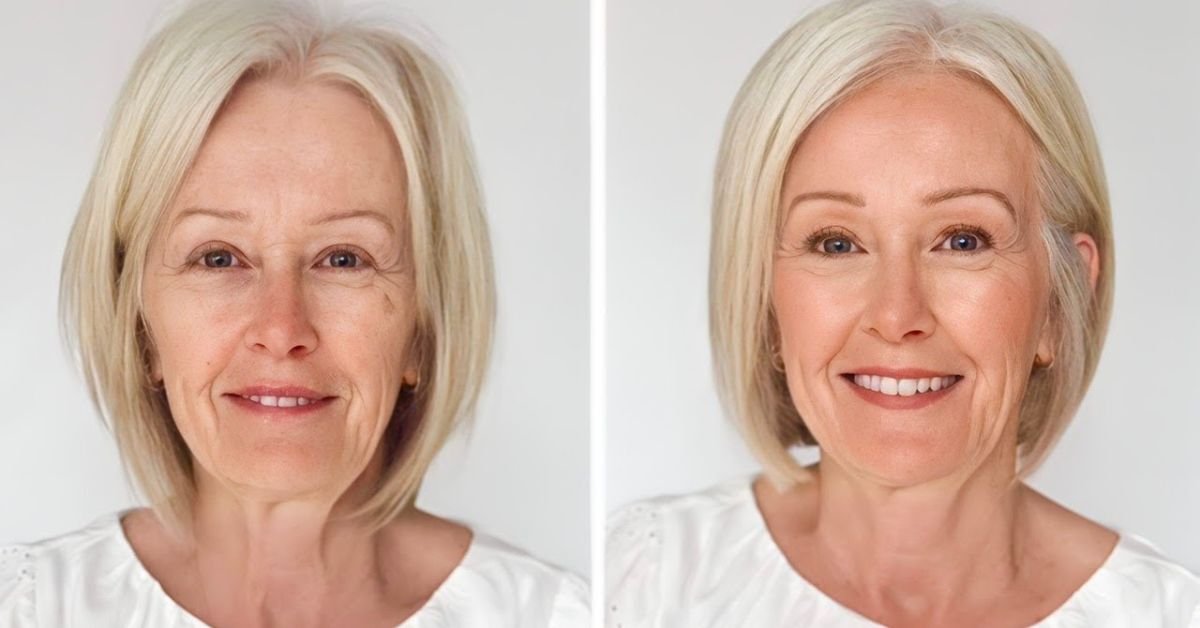
Makeup for mature skin is designed to enhance natural beauty without making the skin look dry or heavy. Mature skin may have fine lines, wrinkles, dryness, or uneven texture. The right makeup can help the face look fresh, smooth, and healthy.
Many people think makeup becomes difficult with age. However, a few simple changes can make a big difference. Lightweight products and gentle techniques can create a soft and youthful finish without hiding your natural features.
This beginner’s guide will explain how to prepare the skin and choose suitable makeup products. It will also cover easy application tips and common mistakes to avoid. These simple steps can help you feel confident and comfortable with your makeup.
How Mature Skin Changes
As skin gets older, it slowly produces less collagen and natural oil. This can make the skin feel thinner, drier, and less firm. Fine lines may also become more visible around the eyes, mouth, and forehead.
Mature skin may develop uneven texture, dark spots, or redness. Makeup can sometimes settle into dry areas or small lines. This is why heavy formulas may not look as smooth as they once did.
These changes are completely natural. A gentle skincare routine and lightweight makeup can help the skin look fresh and comfortable. Understanding your skin makes it easier to choose products that enhance your natural beauty.
Skin Prep Before Makeup
Good makeup starts with clean and hydrated skin. Wash your face with a gentle cleanser. Avoid harsh products that can leave mature skin feeling tight or dry.
Apply a lightweight moisturizer and let it absorb for a few minutes. Pay extra attention to dry areas around the eyes, nose, and mouth. Well-moisturized skin helps foundation look smoother and more natural.
Finish with a small amount of primer if needed. Choose a hydrating formula that softens the look of pores and fine lines. Proper skin prep can help makeup last longer without looking heavy or patchy.
Best Primer for Mature Skin
The best primer for mature skin should feel light and hydrating. It should create a smooth base without making the face look dry. Look for formulas with ingredients such as hyaluronic acid, glycerin, or squalane.
Avoid thick primers that leave a heavy or powdery layer. These products may settle into fine lines and make texture more noticeable. A soft, moisturizing primer usually works better for dry or delicate skin.
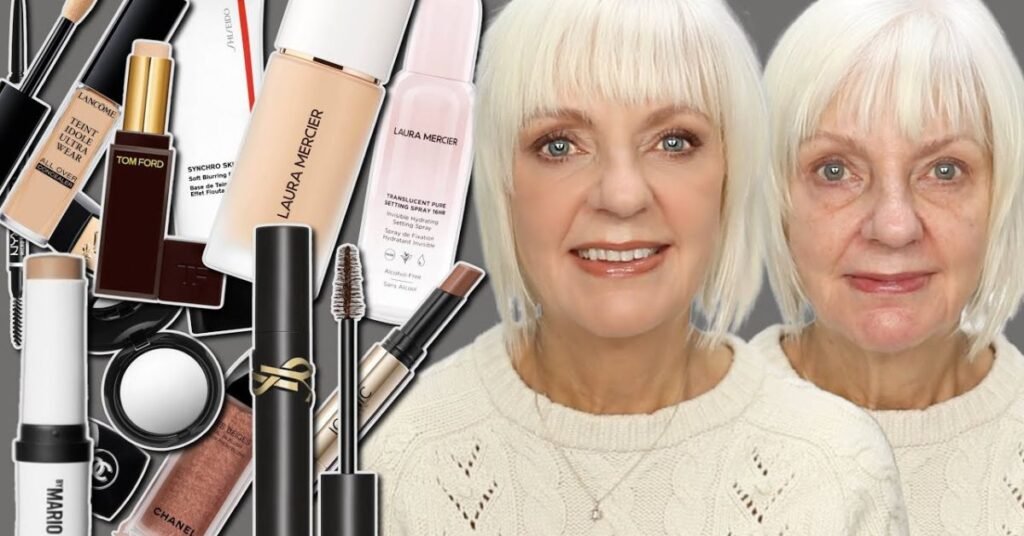
Apply only a small amount after your moisturizer has absorbed. Focus on areas with visible pores or uneven texture. Let the primer sit for a minute before applying foundation for a smoother finish.
Foundation for Mature Skin
A good foundation for mature skin should feel light and comfortable. Heavy formulas can make fine lines look more noticeable. Choose a product that gives natural coverage and leaves the skin looking fresh.
Liquid and serum foundations often work well on dry or textured skin. A satin or dewy finish can add a healthy glow. Avoid applying too much product, especially around the eyes and mouth.
Use a damp sponge or a soft brush to blend the foundation. Start with a thin layer and add more only where needed. This method creates an even finish without hiding the skin’s natural beauty.
Concealing Fine Lines and Spots
Use a lightweight concealer to cover dark spots, redness, and uneven areas. Thick products can collect in fine lines and make them look deeper. Apply a small amount only where you need extra coverage.
Blend the concealer gently with your fingertip, a damp sponge, or a soft brush. Avoid rubbing or adding several heavy layers. Let each thin layer settle before applying more.
- Choose a creamy and hydrating formula.
- Use a shade close to your natural skin tone.
- Avoid placing too much concealer under the eyes.
- Set only oily areas with a small amount of powder.
- Check your makeup in natural light before finishing.
Choosing the Right Blush
Blush can bring warmth and life back to mature skin. Cream and liquid formulas often look soft and natural. They blend easily and are less likely to settle into fine lines.
Choose a shade that matches your skin tone. Soft pink, peach, rose, and warm berry shades work well for many people. Avoid colors that look too bright or dull against your complexion.
Apply a small amount to the upper part of your cheeks. Blend it upward toward the temples for a lifted look. Build the color slowly so the finish stays fresh and natural.
| Skin Tone | Suitable Blush Shades | Recommended Formula | Application Tip |
| Fair | Soft pink, light peach, pale rose | Cream or liquid | Use a small amount and blend well |
| Light | Peach, warm pink, dusty rose | Cream or satin powder | Apply above the apples of the cheeks |
| Medium | Coral, rose, warm mauve | Cream or liquid | Blend upward toward the temples |
| Olive | Terracotta, warm peach, deep rose | Cream or satin powder | Avoid very pale shades |
| Tan | Coral, berry, warm bronze | Liquid or cream | Build the color in thin layers |
| Deep | Plum, rich berry, deep coral | Cream or pigmented powder | Choose strong shades that show clearly |
| Dry Skin | Peach, rose, soft berry | Hydrating cream | Avoid heavy matte powders |
| Normal Skin | Pink, coral, mauve | Cream, liquid, or satin powder | Choose the texture you find easiest |
| Combination Skin | Warm rose, peach, berry | Cream-to-powder | Set oily areas lightly if needed |
Eye Makeup for Mature Skin
Eye makeup for mature skin should look soft and balanced. Start with a light eye primer to create an even base. This can help prevent eyeshadow from gathering in small creases.
Choose neutral shades such as taupe, soft brown, peach, or muted plum. Satin and matte shadows usually give a smooth finish. Very glittery products may draw attention to texture around the eyelids.

Apply eyeliner close to the upper lash line for gentle definition. Brown, charcoal, or navy can look softer than deep black. Finish with a lightweight mascara that separates the lashes without making them feel heavy.
Natural Contouring Tips
Natural contouring adds gentle shape without making the face look harsh. Choose a cream contour or bronzer that is only one or two shades deeper than your skin tone. Soft brown or neutral shades usually create the most realistic result.
Apply a small amount below the cheekbones, along the jawline, and near the hairline. Blend the product upward with a damp sponge or soft brush. Avoid drawing dark, sharp lines, as they can make mature skin look heavy.
Use a light hand and build the color slowly. The contour should blend into the foundation instead of sitting on top of it. Finish with a touch of blush to bring warmth and balance back to the face.
Lip Makeup for Mature Skin
Lip makeup for mature skin should add color without feeling dry or heavy. Begin with a moisturizing lip balm. Give it a few minutes to soften the lips before applying other products.
Use a lip liner that closely matches your natural lip color. Gently trace the lip shape to prevent lipstick from spreading into fine lines. Avoid drawing far outside the natural border, as this can look uneven.
Creamy lipsticks and tinted balms are comfortable choices for mature lips. Shades such as soft rose, peach, berry, and warm nude can brighten the face. Apply a thin layer and blot lightly for a smooth, lasting finish.
Setting Makeup Without Dryness
Setting makeup can help it stay fresh for longer. However, too much powder may make mature skin look dry or textured. Choose a finely milled powder with a light and soft finish.
Apply powder only to areas that become shiny. Use a small fluffy brush around the nose, chin, and forehead. Avoid covering the whole face with a thick layer.

A hydrating setting spray can help the makeup look more natural. Mist it lightly over the face after applying powder. This step can reduce a chalky appearance and bring back a healthy glow.
Best Products for Mature Skin
The best products for mature skin should feel light and comfortable. Look for hydrating formulas that support dry or delicate skin. Ingredients such as glycerin, hyaluronic acid, and squalane can help makeup sit more smoothly.
Cream blush, liquid foundation, and soft concealer are often good choices. These products blend easily and create a natural finish. A finely milled powder can also be useful, but it should be applied only where shine appears.
Choose products based on your skin’s needs rather than age alone. Test new formulas in natural light and notice how they wear during the day. A simple routine with a few reliable products can often give better results than using many heavy layers.
Makeup Mistakes to Avoid
One common mistake is using too much foundation. Heavy layers can settle into fine lines and make the skin look dry. Start with a small amount and add more only where needed.
Another mistake is applying thick powder across the whole face. This can remove the skin’s natural glow and highlight texture. Use a light touch on areas that become oily, such as the nose and forehead.
Very dark eyeliner, glittery shadow, and dry lipstick can sometimes look harsh. Softer shades and creamy formulas often create a more balanced finish. The goal is to enhance your features, not cover them.
Creating a Fresh, Radiant Finish
A radiant finish starts with thin layers of makeup. Avoid covering the skin with too much foundation or powder. Let some of your natural texture show through for a softer and more realistic look.
Add a small amount of cream blush to bring warmth to the cheeks. You can also tap a subtle highlighter onto the tops of the cheekbones. Choose a smooth formula without large glitter particles.
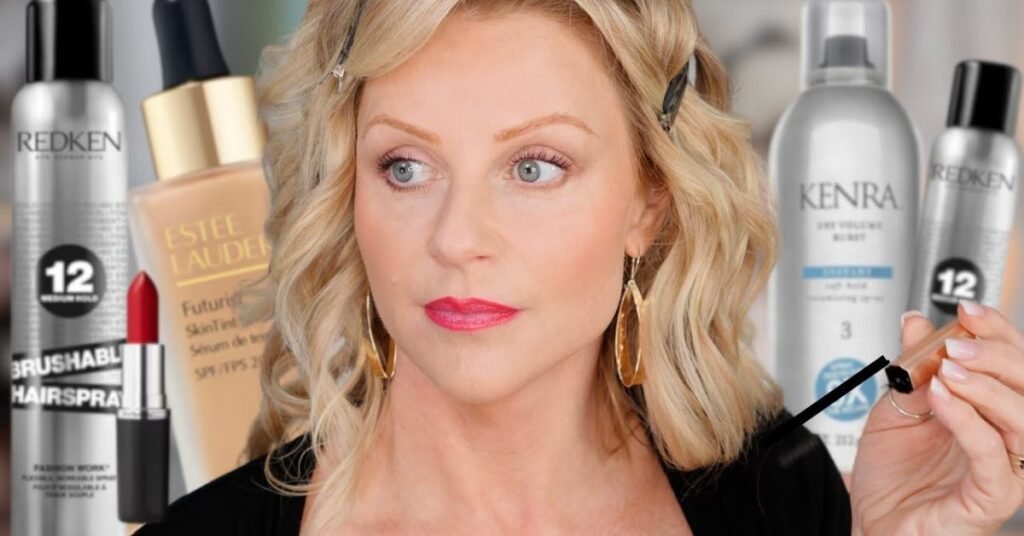
Complete the look with a light mist of hydrating setting spray. This helps blend the makeup and reduces a dry or powdery appearance. The final result should feel comfortable, balanced, and naturally glowing.
Conclusion
Makeup for mature skin should enhance your natural features. Light layers and hydrating products often give the best results. Choose formulas that feel comfortable and do not settle into fine lines.
There is no single makeup routine that works for everyone. Try different products and techniques to see what suits your skin. The right approach can help you create a fresh look and feel more confident.
FAQs
1. What type of foundation is best for mature skin?
A lightweight liquid or serum foundation usually works well. Choose a hydrating formula with a natural or satin finish.
2. How can I stop makeup from settling into fine lines?
Apply thin layers and blend each product carefully. Avoid using too much foundation, concealer, or setting powder.
3. Is cream or powder makeup better for mature skin?
Cream products often look smoother on dry or textured skin. However, a small amount of finely milled powder can control shine.
4. Should mature skin use primer before makeup?
A hydrating primer can create a smoother base and help makeup last longer. Apply it mainly to dry, uneven, or textured areas.
5. How can mature skin achieve a natural glow?
Use moisturizing products, cream blush, and a light setting spray. Avoid heavy matte formulas that may make the skin appear dry.