
Makeup for humid weather means using products that can handle heat, sweat, and moisture. Since humid air can make the skin feel oily and sticky, regular makeup may not stay in place for long. As a result, foundation can melt, eye makeup can smudge, and the overall look may become patchy during hot days.
Have you ever applied perfect makeup in the morning, only to see it disappear after a few hours? Unfortunately, heat and moisture can make foundation slide and mascara run. However, with the right products and a few simple techniques, you can help your makeup stay fresh for much longer.
Therefore, the best makeup for humid weather should be lightweight, waterproof, and long-lasting. In addition, proper skin preparation is important because it creates a smooth and balanced base. This guide will explain useful products, easy application tips, and practical ways to control shine on hot and humid days.
Why Humidity Wrecks Your Makeup
Humidity fills the air with extra moisture. This makes your skin feel warm, sticky, and oily. Sweat can mix with foundation and concealer. As a result, makeup may move, fade, or collect in fine lines.
Hot and humid weather also increases shine. Oil can appear quickly around the forehead, nose, and chin. Powder may become patchy when it mixes with sweat. Mascara and eyeliner can also smudge under the eyes.

Heavy makeup usually struggles the most in humid conditions. Thick layers trap heat and feel uncomfortable on the skin. Lightweight products are often a better choice. Good skin preparation and the right formulas can help makeup stay fresh for longer.
Step-by-Step Routine for Long-Lasting Makeup
Start with clean and dry skin. Wash your face with a gentle cleanser. Apply a lightweight moisturizer and let it absorb fully. Finish your skin preparation with a broad-spectrum sunscreen that does not feel greasy.
Next, apply a small amount of mattifying primer. Focus on areas that become oily quickly, such as the forehead, nose, and chin. Use a thin layer of lightweight foundation or skin tint. Blend it gently instead of applying heavy layers.
Add concealer only where you need extra coverage. Set your base with a light dusting of translucent powder. Use waterproof mascara and long-wearing eyeliner to prevent smudging. Cream blush can work well, but set it lightly with a matching powder blush.
Finish your makeup with a setting spray made for long wear. Allow each layer to dry before applying the next product. Carry blotting papers for quick touch-ups during the day. Press them gently onto oily areas without rubbing your makeup.
Best Products for Humid Weather
First, choose lightweight products that allow your skin to breathe. For example, a water-based moisturizer can hydrate the skin without making it feel greasy. Next, apply an oil-free primer to help control shine. In addition, it can create a smooth base without making your face feel heavy or sticky.
For your base makeup, consider using a long-wearing skin tint, matte foundation, or lightweight concealer. However, avoid applying too much product at once. Instead, start with a small amount and gradually build coverage only where needed. Afterward, use a finely milled translucent powder on oily areas. As a result, your makeup may stay in place without looking dry or cakey.
Moreover, waterproof mascara and smudge-resistant eyeliner are helpful on hot and humid days. Similarly, a long-lasting lip color can reduce the need for frequent touch-ups. Finally, apply a setting spray to help hold everything together. Additionally, keep blotting papers in your bag so you can remove excess oil without adding more layers of powder.
Best Ingredients for Humidity
The right ingredients can help makeup feel lighter and last longer in humid weather. Look for formulas that control excess oil without making the skin feel tight. Lightweight humectants can also add moisture without leaving a heavy or greasy layer.
Some ingredients are especially useful during hot and sticky days:
- Niacinamide may help balance excess oil and support the skin barrier.
- Silica can absorb shine and give makeup a smoother finish.
- Hyaluronic acid adds lightweight hydration without thick creams.
- Di-methicone creates a smooth base and helps makeup apply evenly.
- Kaolin clay can absorb extra oil in primers and face products.
- Film-forming ingredients help mascara, eyeliner, and foundation stay in place.
First, choose products according to your skin type. For example, oily skin may benefit from ingredients like silica or clay, as they can help control excess shine. On the other hand, dry skin may need hyaluronic acid and a lightweight moisturizer to maintain hydration.
In addition, avoid applying too many heavy layers of makeup. Otherwise, the products may feel uncomfortable and separate more quickly in humid weather. Instead, apply thin layers and build coverage only where needed.
Common Mistakes That Cause Makeup to Melt
Applying makeup on damp or sweaty skin is a common mistake. Moisture prevents primer and foundation from gripping the skin. Always let skincare and sunscreen dry before starting your makeup.
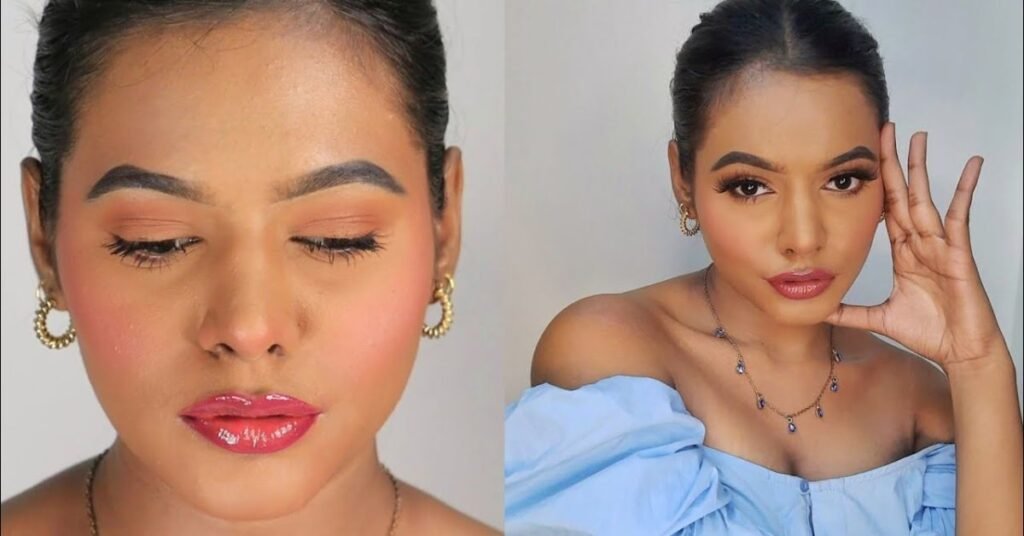
Heavy layers can also break apart in hot weather. Thick foundation, too much concealer, and repeated powder can feel uncomfortable. Thin layers usually last longer and look more natural as the day goes on.
Skipping setting products is another problem. Foundation may move if it is not lightly set with powder or spray. Touching or rubbing the face can make the situation worse. Blotting gently is better than wiping away sweat.
| Common Mistake | What Happens | Better Choice |
| Applying makeup on wet skin | Foundation slides and blends unevenly | Dry the face and let skincare absorb first |
| Using a heavy moisturizer | The base may feel greasy or sticky | Choose a lightweight, fast-absorbing moisturizer |
| Skipping primer | Makeup may fade faster on oily areas | Apply a small amount of suitable primer |
| Using too much primer | Products may pill or separate | Use a thin layer only where needed |
| Applying thick foundation | The base can crack or melt | Build coverage with light layers |
| Using too much concealer | Concealer may crease under the eyes | Apply small dots and blend carefully |
| Applying cream over wet foundation | Colors can move and become patchy | Let each layer settle before adding the next |
| Adding too much powder | Makeup may look dry, heavy, or cakey | Powder only the areas that become shiny |
| Using non-waterproof eye makeup | Mascara and eyeliner may smudge | Choose waterproof or smudge-resistant formulas |
| Skipping setting spray | Makeup may not hold together for long | Finish with a long-wear setting spray |
| Rubbing sweat with a tissue | Makeup can lift off the skin | Press gently with blotting paper |
| Touching the face often | Oil and dirt can disturb the base | Keep hands away from the face |
| Reapplying powder all day | Thick layers can collect around pores | Remove oil first, then add a little powder |
| Mixing incompatible formulas | Water-based and silicone-heavy products may separate | Use products with compatible textures |
| Applying makeup immediately after sunscreen | The base may pill or move | Wait several minutes before applying makeup |
| Ignoring your skin type | Products may feel too dry or too oily | Select formulas made for your skin needs |
| Using old makeup | The texture may become dry or uneven | Replace expired or changed products |
| Forgetting to prepare the lips | Lip color may crack or fade quickly | Apply balm early and remove excess before lipstick |
| Using creamy lipstick without setting it | Color may bleed in the heat | Blot and apply a second thin layer |
| Carrying no touch-up products | Shine and smudges become harder to fix | Pack blotting papers, powder, and lip color |
How to Adapt Your Routine for Different Skin Types
Every skin type reacts differently to heat and humidity. A product that controls shine on oily skin may feel uncomfortable on dry skin. Adjust your skincare and makeup routine according to your skin’s needs.
Makeup Routine for Oily Skin

Use lightweight and oil-free products. Apply a gel moisturizer and a mattifying primer. Choose a thin layer of long-wearing foundation. Set oily areas with translucent powder and use blotting papers during the day.
Makeup Routine for Dry Skin
Dry skin still needs hydration in humid weather. Use a lightweight moisturizer and a hydrating primer. Choose a flexible foundation that does not highlight dry patches. Apply only a small amount of powder where necessary.
Makeup Routine for Combination Skin
Combination skin needs different products on different areas of the face. Apply a mattifying primer to the forehead, nose, and chin. Use a hydrating primer on dry areas. Powder only the parts that become oily.
Makeup Routine for Sensitive Skin
Choose gentle and fragrance-free products. Avoid formulas containing harsh ingredients that may cause irritation. Test new makeup on a small area before using it on your entire face. Keep the routine simple and lightweight.
Makeup Routine for Acne-Prone Skin
Look for non-comedogenic products that are less likely to block pores. Avoid applying thick layers of foundation and concealer. Remove sweat and makeup gently at the end of the day. Clean makeup brushes regularly to prevent product and bacteria buildup.
Quick Fixes for Midday Makeup Emergencies
Start by removing excess sweat and oil. Do not rub your face with a tissue. Gently press blotting paper onto shiny areas instead. This helps protect the makeup underneath.
If the foundation looks patchy, smooth the area with a clean sponge or fingertip. Add a tiny amount of concealer only where coverage is missing. Avoid applying another full layer of foundation, as it may look heavy.
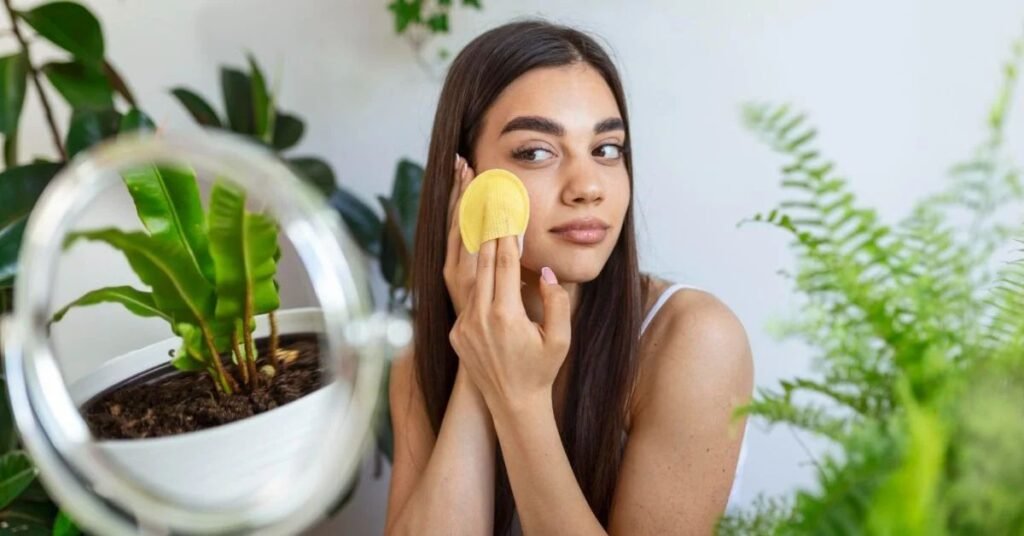
For smudged mascara or eyeliner, let the area dry first. Remove the mark with a clean cotton swab. Refresh faded blush or lipstick with a light layer. Finish with a small amount of powder or setting spray to bring the look back together.
Conclusion
Makeup for humid weather does not have to feel difficult. First, start with lightweight skincare and allow each product to absorb properly. Next, apply makeup in thin layers instead of using heavy products. In addition, choose long-lasting, oil-free, and waterproof formulas. As a result, your makeup can stay fresh and comfortable for a longer time.
Moreover, keep blotting papers and a small amount of powder in your bag for quick touch-ups. However, avoid adding too many extra layers during the day because they may make your makeup look cakey. Although a little shine is natural in hot and humid weather, you can control excess oil without removing all of your glow. Overall, with the right products and a simple routine, you can feel fresh, confident, and comfortable throughout the day.
FAQs
1. How can I make my makeup last in humid weather?
First, use a lightweight primer to create a smooth base. Then, apply a long-wearing foundation in thin layers and finish with a setting spray. As a result, your makeup may stay in place for longer.
2. Is powder good for humid weather?
Yes, powder can help control unwanted shine. However, use only a small amount on oily areas such as the forehead, nose, and chin. Otherwise, too much powder may make the skin look dry or cakey.
3. What type of foundation works best in humidity?
Generally, an oil-free, lightweight, and water-resistant foundation works well in humid weather. In addition, matte or natural-finish formulas can help control shine while still making the skin look smooth.
4. How can I stop my makeup from melting?
To begin with, avoid heavy creams and thick makeup layers. Instead, choose waterproof and sweat-resistant products. Furthermore, blot excess oil during the day rather than applying more foundation.
5. Should I wear waterproof eye makeup in humid weather?
Yes, waterproof mascara and eyeliner are useful in hot and humid conditions. They can help prevent smudging, running, and dark marks around the eyes. Therefore, your eye makeup may remain neat for longer.