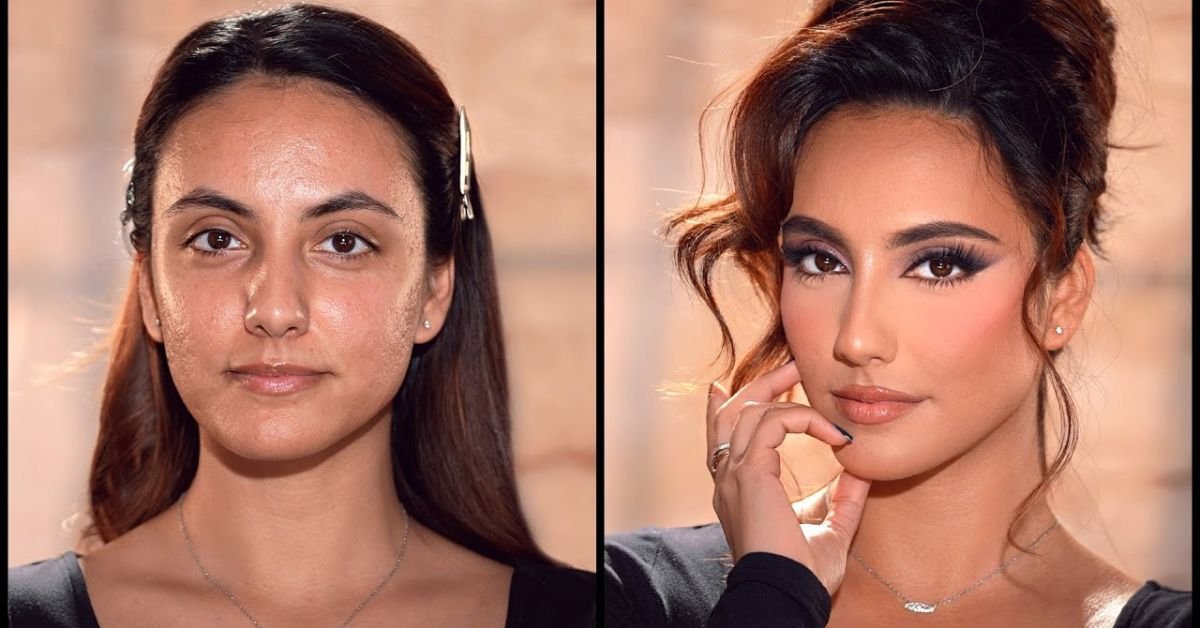
Textured skin means skin with visible pores, fine lines, dry patches, acne bumps, or uneven areas. It is completely normal. Almost everyone has some type of skin texture.
But makeup can sometimes make texture look more noticeable. Foundation may settle into pores or cling to dry spots. The good news is that a few simple techniques can make a big difference.
The right skin preparation, lightweight products, and gentle application can help makeup look smoother. This guide will show you how to create a fresh, natural finish without making your makeup look heavy or cakey.
Essential Pre-Makeup Skin Preparation for Textured Skin
Start with clean skin. Use a gentle cleanser that removes oil, dirt, and leftover skincare. Avoid harsh scrubs before applying makeup. They can cause redness and make dry patches look worse.
Next, apply a lightweight moisturizer. Choose one that suits your skin type. Let it absorb for a few minutes before using makeup. Well-hydrated skin helps foundation blend more evenly and reduces patchiness.
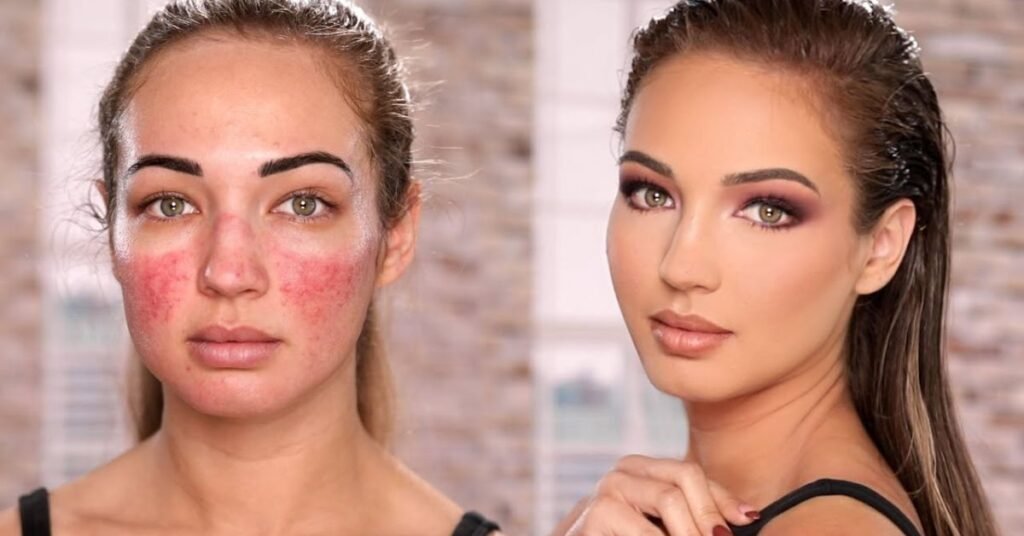
Finish with a suitable primer. Use a smoothing primer on visible pores and a hydrating primer on dry areas. Apply only a small amount. Too much primer can cause makeup to pill or separate.
Hydration Creates the Foundation
Hydrated skin gives makeup a better surface to sit on. When the skin feels dry, foundation can catch on rough areas. This often makes pores, flakes, and fine lines look more visible.
Apply a moisturizer that matches your skin type. A light gel may work well for oily skin. A richer cream can help dry skin feel softer. Let the product absorb before starting your makeup.
Do not apply too much skincare at once. Heavy layers can make the foundation slide or separate. A small amount of moisturizer is often enough to create a smoother, more comfortable base.
Gentle Exfoliation for Smoother Results
Gentle exfoliation helps remove loose, dry skin from the surface. This can make rough areas feel softer. It also helps the foundation apply more evenly.
Choose a mild exfoliating product and use it only as needed. Strong scrubs can irritate the skin and make texture look more noticeable. Avoid exfoliating right before makeup if your skin becomes red easily.
After exfoliating, apply a calming moisturizer. Give your skin time to settle before using makeup. A gentle routine usually gives better results than frequent or aggressive exfoliation.
Know Your Skin Type
Your skin type affects how makeup looks and wears. Dry skin may need extra moisture. Oily skin may need lightweight products that control shine.
Combination skin can be oily in some areas and dry in others. Sensitive skin may react to strong ingredients or heavy formulas. Knowing these differences makes product selection easier.
Pay attention to how your skin feels during the day. Notice where makeup fades, separates, or looks patchy. This will help you build a routine that suits your skin instead of following the same method for everyone.
Choosing the Right Primer for Textured Skin Types
The right primer depends on your skin’s needs. A smoothing primer can soften the look of large pores and uneven areas. A hydrating primer may work better on dry or flaky skin.
Oily skin often benefits from a lightweight, shine-control formula. Combination skin may need different primers on different parts of the face. Apply a mattifying primer to oily areas and a moisturizing one to dry spots.
Use only a small amount of product. Press it gently into the skin instead of rubbing it. Let the primer settle for a minute before applying foundation. This helps create a more even base and reduces the risk of pilling.
Smoothing vs. Blurring Primers
Smoothing primers help create a more even surface. They can fill the look of pores, fine lines, and small uneven areas. These primers often have a soft, silky texture. They work well when foundation tends to settle into lines or rough spots.
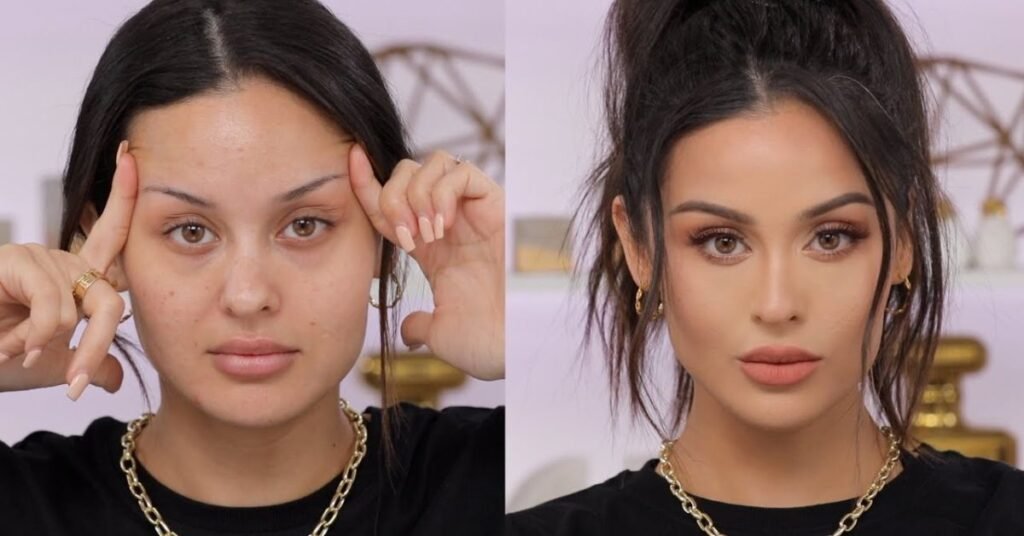
Blurring primers use light-diffusing ingredients to make texture appear less noticeable. They give the skin a soft-focus look rather than physically smoothing every area. Choose your primer based on the result you need:
- Use a smoothing primer for uneven texture and visible pores.
- Use a blurring primer for a soft and filtered appearance.
- Apply only a small amount to problem areas.
- Press the primer into the skin instead of rubbing it.
Hydrating Options for Dry Texture
Dry texture can make the foundation look rough or uneven. It may also cause makeup to cling to flaky areas. A hydrating product can soften the skin and create a more comfortable base.
Start with a gentle moisturizer that matches your skin’s needs. Lightweight lotions work well for mild dryness. Rich creams may be better for very dry areas. Apply a small amount and let it absorb before using makeup.
You can also use a hydrating serum, primer, or face mist. Choose simple formulas that do not feel sticky or heavy. Too many skincare layers can make makeup slide, pill, or separate.
| Hydrating option | Best for | How to use it | What to avoid |
| Lightweight lotion | Normal to slightly dry skin | Apply a thin layer before primer | Using too much product |
| Rich moisturizer | Very dry or flaky skin | Press gently onto dry areas | Applying a thick layer over the whole face |
| Hydrating serum | Dehydrated skin | Use a few drops under moisturizer | Layering several serums together |
| Hydrating primer | Dry texture under foundation | Apply a small amount after skincare | Rubbing it aggressively into the skin |
| Face mist | Makeup that looks dry or powdery | Spray lightly from a distance | Soaking the face |
| Facial oil | Very dry skin | Mix one small drop with moisturizer | Using too much before foundation |
| Eye cream | Dry under-eye area | Tap a tiny amount under the eyes | Applying it too close to the lash line |
| Overnight mask | Skin that needs extra moisture | Use the night before makeup | Applying a heavy mask immediately before makeup |
This section keeps the focus on dry texture and avoids repeating your general skin-preparation advice.
Foundation Selection and Application Techniques for Bumpy Skin
Choose a lightweight foundation with buildable coverage. Thick formulas can collect around bumps and make the skin look heavy. A natural or satin finish often looks softer than a very matte foundation.
Apply a small amount of product at a time. Start in the center of the face and blend outward. Use a damp sponge or a soft brush with gentle tapping motions. Avoid rubbing the foundation across raised areas.
Add extra coverage only where it is needed. Use a small brush to place concealer on redness or marks. Keep each layer thin and allow it to settle before adding more. This helps the makeup look fresh without drawing extra attention to uneven texture.
Thin Layers Win Every Time
A thick layer of foundation can make bumps and pores look more visible. It may also settle into fine lines or gather around dry spots. Using less product helps the skin look more natural.
Start with a small amount of foundation. Blend it gently across the face with a damp sponge or soft brush. Let the first layer settle before deciding whether you need more coverage.
Add another thin layer only to areas with redness or uneven tone. Use concealer for small marks instead of covering the whole face again. This keeps the base light, smooth, and comfortable.
Common Makeup Mistakes to Avoid
Applying Too Much Product
Adding more foundation does not always create smoother skin. Heavy layers often collect around pores and bumps.
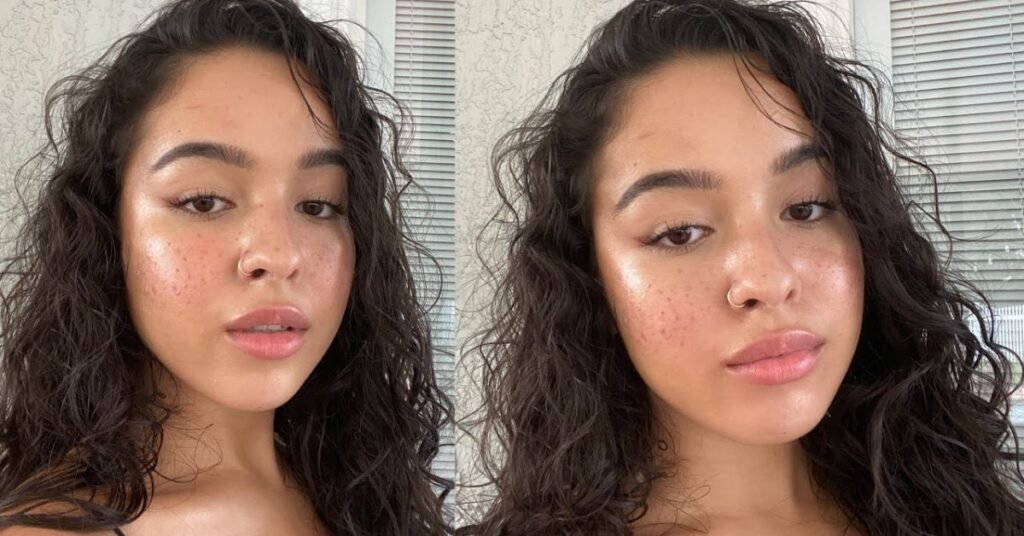
Use thin layers and spot-conceal where necessary.
Skipping Moisturizer
Foundation may cling to dry patches when the skin is not properly hydrated.
Even oily skin can become dehydrated, so use a lightweight moisturizer before makeup.
Using Too Much Powder
Heavy powder can emphasize lines, dryness, and uneven texture. Apply it only where needed.
Scrubbing the Skin Before Makeup
Strong exfoliation immediately before makeup can cause irritation and redness. Keep your skin preparation gentle.
Applying Shimmer Over Raised Texture
Strong shimmer can draw attention to bumps and enlarged pores. Use satin or soft-focus products instead.
Trying to Completely Hide Texture
Real skin has texture. Attempting to cover every pore or bump usually results in heavy-looking makeup.
Focus on evening out your skin tone and creating a fresh overall appearance.
How to Touch Up Textured Skin
When your makeup starts looking oily or uneven, avoid immediately adding more foundation and powder.
First, use blotting paper or a clean tissue to gently remove excess oil.
If an area looks dry, lightly mist your face with setting spray and press it with a damp
sponge.
For areas where foundation has worn away, apply a tiny amount of concealer and blend it gently.
Keep touch-ups light. Repeatedly layering products can make the makeup look thick and patchy.
Final Thoughts
Makeup for textured skin is mainly about careful preparation, lightweight layers, and realistic expectations.
You do not need to completely cover every pore, line, or bump to create a beautiful makeup look. Healthy-looking makeup should still look like real skin.
Start with gentle skincare, use a suitable moisturizer, and choose lightweight complexion products. Apply foundation in thin layers, use concealer only where needed, and avoid excessive powder.
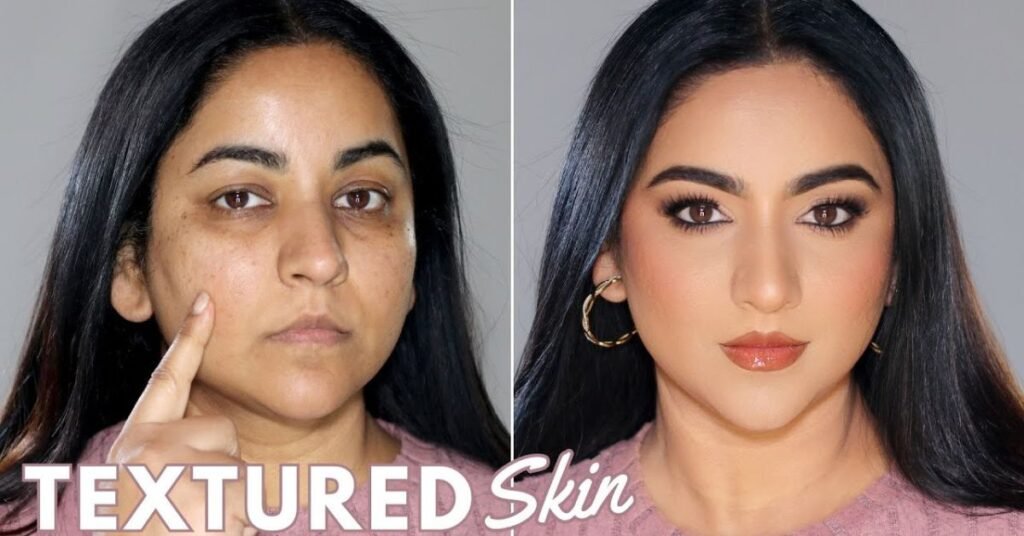
Most importantly, remember that skin texture is normal. Makeup can help even out discoloration and enhance your features, but it does not need to erase the natural appearance of your skin.
Conclusion
Makeup for textured skin looks best when the routine stays simple. Prepare the skin with gentle hydration. Choose lightweight products. Apply foundation in thin layers and blend with a soft touch.
Do not try to hide every pore, line, or bump. Real skin naturally has texture. Focus on an even tone and a fresh finish. With the right products and a little practice, your makeup can look smooth, natural, and comfortable.
FAQs
1. What foundation is best for textured skin?
A lightweight, buildable foundation with a natural or satin finish usually works well. It provides coverage without making pores and bumps look heavier.
2. Should I use primer on textured skin?
Primer can help makeup sit more evenly. Use a smoothing primer for visible pores or a hydrating primer for dry and rough areas.
3. How can I stop foundation from looking cakey?
Apply foundation in thin layers and blend it gently. Avoid using too much powder, especially on dry or textured parts of the face.
4. Is a brush or sponge better for bumpy skin?
A damp makeup sponge often gives a soft and natural finish. A brush can also work well when used with light tapping motions instead of rubbing.
5. Can makeup completely hide skin texture?
Makeup can reduce redness and make the skin tone appear more even. However, it cannot completely flatten pores, fine lines, or raised bumps.